
[PRESSWIRE] Dar Es Salaam, Tanzania – 2026-02-05 — ZANZIBAR – 5th February, 2026
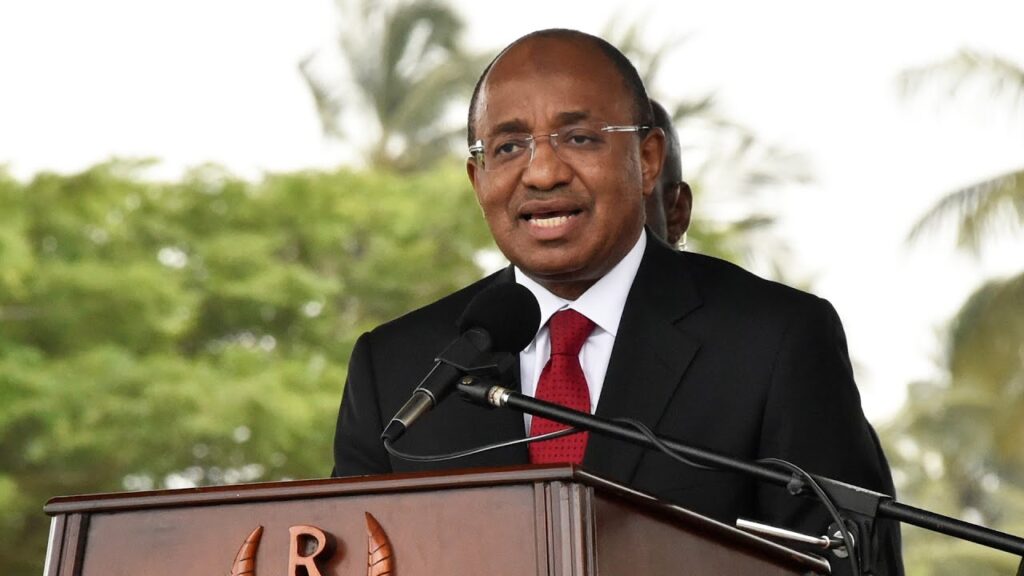
Zanzibar President Hussein Mwinyi called on governments, development partners and the private sector to strengthen policies, financing and partnerships to address rising rates of diabetes and improve access to insulin, warning that unequal availability of the life-saving medicine remains a major public health challenge in low- and middle-income countries.
Speaking at the opening of an international conference on insulin access in Zanzibar, Mwinyi said governments must prioritise prevention, early diagnosis and long-term care while supporting research and local production of essential medicines, including insulin.
“We must invest in prevention, early diagnosis and continuous care, while also supporting research and local production of essential medicines, including insulin,” Mwinyi said in a speech read on his behalf by Zanzibar’s Second Vice-President, Hemed Suleiman Abdullah.
The three-day International Conference on Addressing Challenges and Barriers to Insulin Access and Supply (ACCISS) has brought together delegates from 15 eastern African countries, including policymakers, health experts, researchers, development partners and people living with diabetes.
More than 2.9 million Tanzanians are living with diabetes, with at least 10,000 dependent on daily insulin injections to survive, Mwinyi said, calling the figures a warning of a growing non-communicable disease burden in the country and across the region.
“The scale of diabetes and the rising demand for insulin underscore the need for coordinated regional and global action, supported by strong health systems and sustainable supply mechanisms,” he said.
Although insulin has been used for more than a century and is recognised by the World Health Organization (WHO) as an essential medicine, access remains uneven, particularly in Africa, where supply chains are fragile and treatment costs remain high, health experts say.
According to Mwinyi, Tanzania Mainland and Zanzibar operate more than 170 diabetes clinics serving 7,607 children with Type 1 diabetes, including 7,134 on the mainland and 473 in Zanzibar.
Zanzibar’s Acting Health Minister Saada Mkuya Salum said access to insulin and other life-saving medicines should be treated as a basic human right rather than a luxury.
She said Zanzibar’s Vision 2050 development strategy aims to raise life expectancy to 75 years by 2050 from about 65 years in 2019, while reducing deaths caused by non-communicable diseases to 2.2% from 4.9%.
“Achieving these targets requires a strong health system, including timely access to quality insulin in all communities,” Salum said.
She cited common challenges affecting insulin access across Africa, including high costs, unstable supply chains — particularly in rural areas — heavy reliance on imports from Europe, shortages of specialist healthcare workers and limited public awareness of early diabetes symptoms.
“These challenges point to the need for regional and international solutions aligned with the African Union’s Agenda 2063,” she said.
Permanent Secretary in Tanzania’s Ministry of Health Mngereza Mzee Miraji said insulin continues to save lives globally but remains out of reach for millions in low- and middle-income countries.
National health data shows the number of people living with diabetes in Tanzania increased to 863,741 in 2025 from 680,445 in 2021, a rise of nearly 27% in five years, according to the country’s District Health Information System (DHIS2).
At the global level, Miraji said more than 1.7 million people are living with diabetes, with about 1.3 million cases undiagnosed, while 6,247 deaths recorded in 2020 were directly linked to the disease.
WHO Representative to Tanzania Alphoncina Nanai praised Tanzania’s efforts to address non-communicable diseases and reaffirmed the agency’s commitment to supporting national and regional initiatives.
WHO Africa’s Chief Technical Officer for non-communicable diseases, injuries and mental health, Adelard Kakunze, urged countries to move beyond policy commitments and accelerate concrete action to make insulin affordable and widely available.
“Access to insulin is a matter of urgency,” Kakunze said. “Policies must translate into real, measurable improvements for people living with diabetes.”
The conference aims to produce practical, sustainable recommendations to improve insulin supply, affordability and overall diabetes care across eastern Africa.
· Tanzania Mainland and Zanzibar operate more than 170 diabetes clinics, serving 7,607 children with Type 1 diabetes.
· National health data indicates a sharp rise in diabetes prevalence in Tanzania, reflecting broader regional and global trends in NCDs.
· The International Conference on Addressing Challenges and Barriers to Insulin Access and Supply (ACCISS)brings together policymakers, health professionals, researchers, development partners and people living with diabetes from 15 eastern African countries.
Media Contact:
Information Services Department and Office of The Chief Government Spokesman
E-mail: maelezotv@gmail.com
Phone: +255 754 750 765; +255 754 698 856; +255 759 714; +255 713 381 904
Availability: EAT, UTC +3
ENDS