[PRESSWIRE] Dodoma, Tanzania – 2026-02-05 — 5th February, 2026
Tanzania has pledged to place women entrepreneurs at the centre of its Tanzania Development Vision 2050, aligning the country’s long-term development agenda with regional and global benchmarks on gender equality, access to finance and inclusive growth.
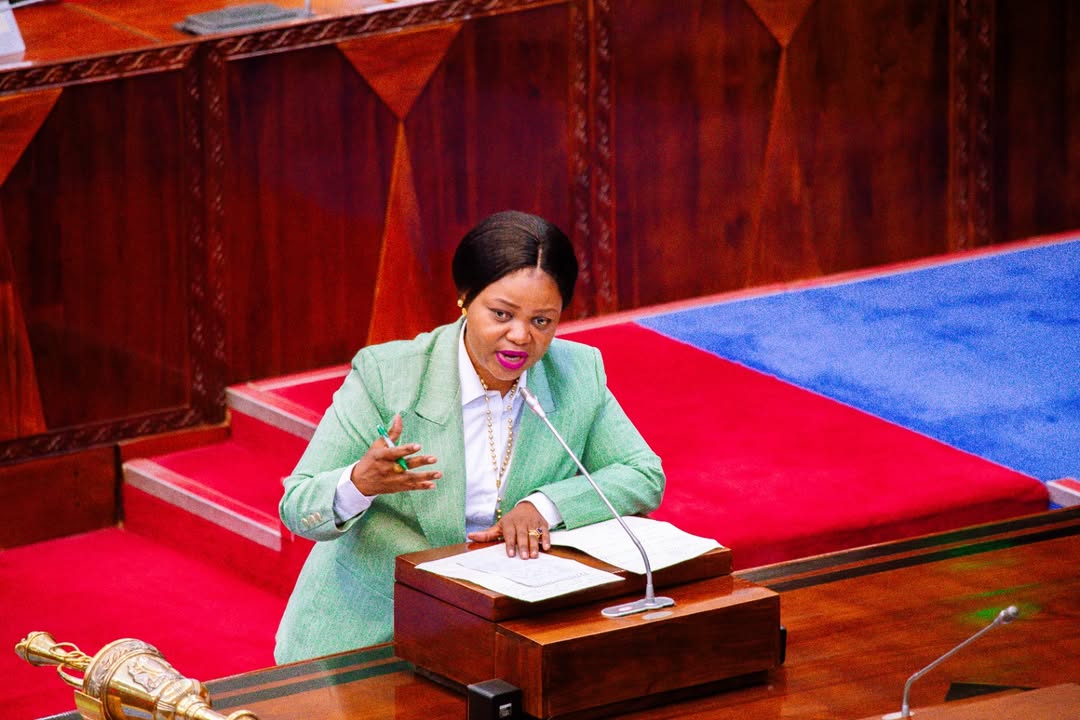
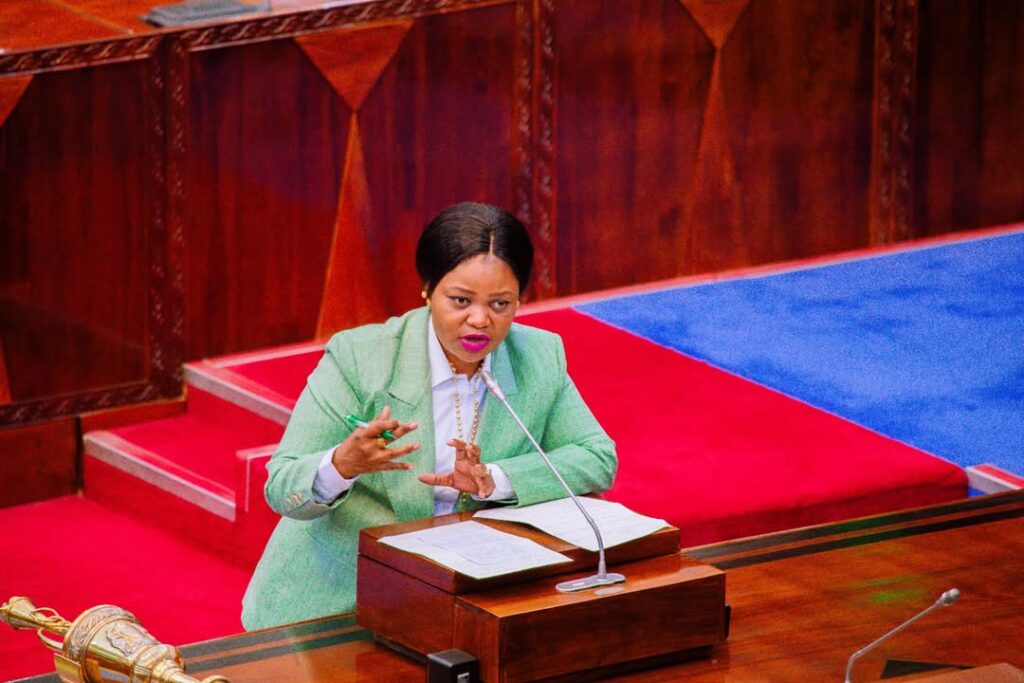
Deputy Minister for Community Development, Gender, Women and Special Groups Maryprisca Mahundi told parliament that women will be prioritised in efforts to build a resilient, inclusive and competitive economy, responding to a question from Special Seats MP Janeth Mahawanga.
Vision 2050, which succeeds Vision 2025, seeks to transform Tanzania into a high-income, industrialised and knowledge-based economy with improved living standards, underpinned by inclusive growth, innovation and sustainable resource use.
Mahundi said women and youth are recognised as key drivers of the strategy, reflecting their dominant role in agriculture, small and medium-sized enterprises (SMEs), trade and community development.
Across sub-Saharan Africa, women own about 58% of small businesses, according to the World Bank, yet face a financing gap estimated at over $42 billion, largely due to limited collateral, informality and restricted access to formal credit.
In Tanzania, women account for more than half of employment in agriculture and a large share of informal enterprises, but remain underrepresented in higher-value manufacturing, formal trade and export-oriented businesses.
“Vision 2050 recognises that empowering women economically is essential to ensuring national growth benefits all citizens,” Mahundi said.
She said the government is strengthening existing empowerment schemes, including the Women Development Fund and the 10% loans allocated by local government authorities, to expand access to start-up and growth capital for women-led enterprises.
The approach mirrors continental commitments under the African Union’s Agenda 2063, which calls for full gender parity in economic participation, and aligns with the UN Sustainable Development Goals, particularly SDG 5 on gender equality and SDG 8 on decent work and economic growth.
Mahundi said targeted interventions are being rolled out to address structural barriers facing women entrepreneurs, including limited access to affordable finance, inadequate entrepreneurial skills and restricted entry into formal markets.
Planned measures include entrepreneurship training, skills development for small and medium industries, wider use of technology and digital platforms, and incentives for women to participate in agro-processing, manufacturing and other emerging sectors.
She said special emphasis is being placed on digital and value-added activities, reflecting global trends where women-led firms that adopt technology show higher productivity and resilience.
The government is also collaborating with financial institutions, development partners and the private sector to widen access to credit, modern technology and reliable markets for women-led businesses.
Efforts to promote business formalisation are expected to enable more women entrepreneurs to qualify for government tenders, export opportunities and regional trade arrangements, particularly within the East African Community (EAC) and the African Continental Free Trade Area (AfCFTA).
According to the World Economic Forum’s Global Gender Gap Report, East Africa remains one of Africa’s better-performing regions on women’s economic participation, though gaps persist in access to capital and leadership positions — areas Tanzania says Vision 2050 seeks to address.
“These measures will support the growth of women-led businesses, create more jobs and enhance their contribution to the national economy,” Mahundi said.
She added that success under Vision 2050 will be measured not only by economic growth, but by how broadly prosperity is shared.
“Vision 2050 is about leaving no one behind,” Mahundi said. “The government is determined to ensure that women entrepreneurs are at the centre of Tanzania’s transformation agenda.”
· In Tanzania, women account for more than half of employment in agriculture and a significant share of informal enterprises, but remain underrepresented in higher-value manufacturing, formal trade and export-oriented sectors.
· The government is strengthening women’s economic empowerment schemes, including the Women Development Fund and the 10% loans allocated by local government authorities.
· Vision 2050 aligns with regional and global frameworks, including the African Union’s Agenda 2063 and the United Nations Sustainable Development Goals (SDGs), notably SDG 5 (Gender Equality) and SDG 8 (Decent Work and Economic Growth).
Media Contact:
Information Services Department and Office of The Chief Government Spokesman
E-mail: maelezotv@gmail.com
Phone: +255 754 750 765; +255 754 698 856; +255 759 714; +255 713 381 904
Availability: EAT, UTC +3
ENDS