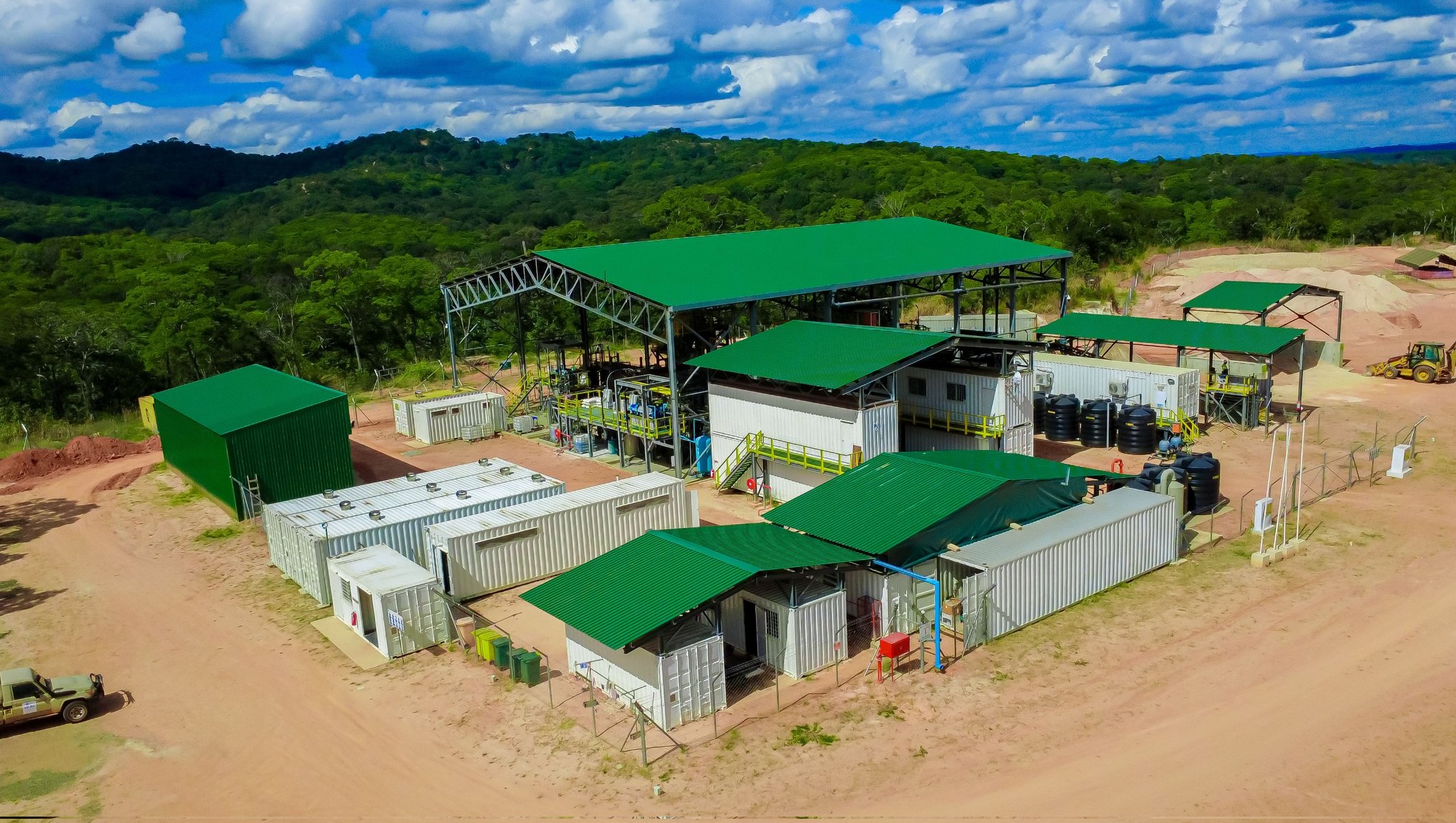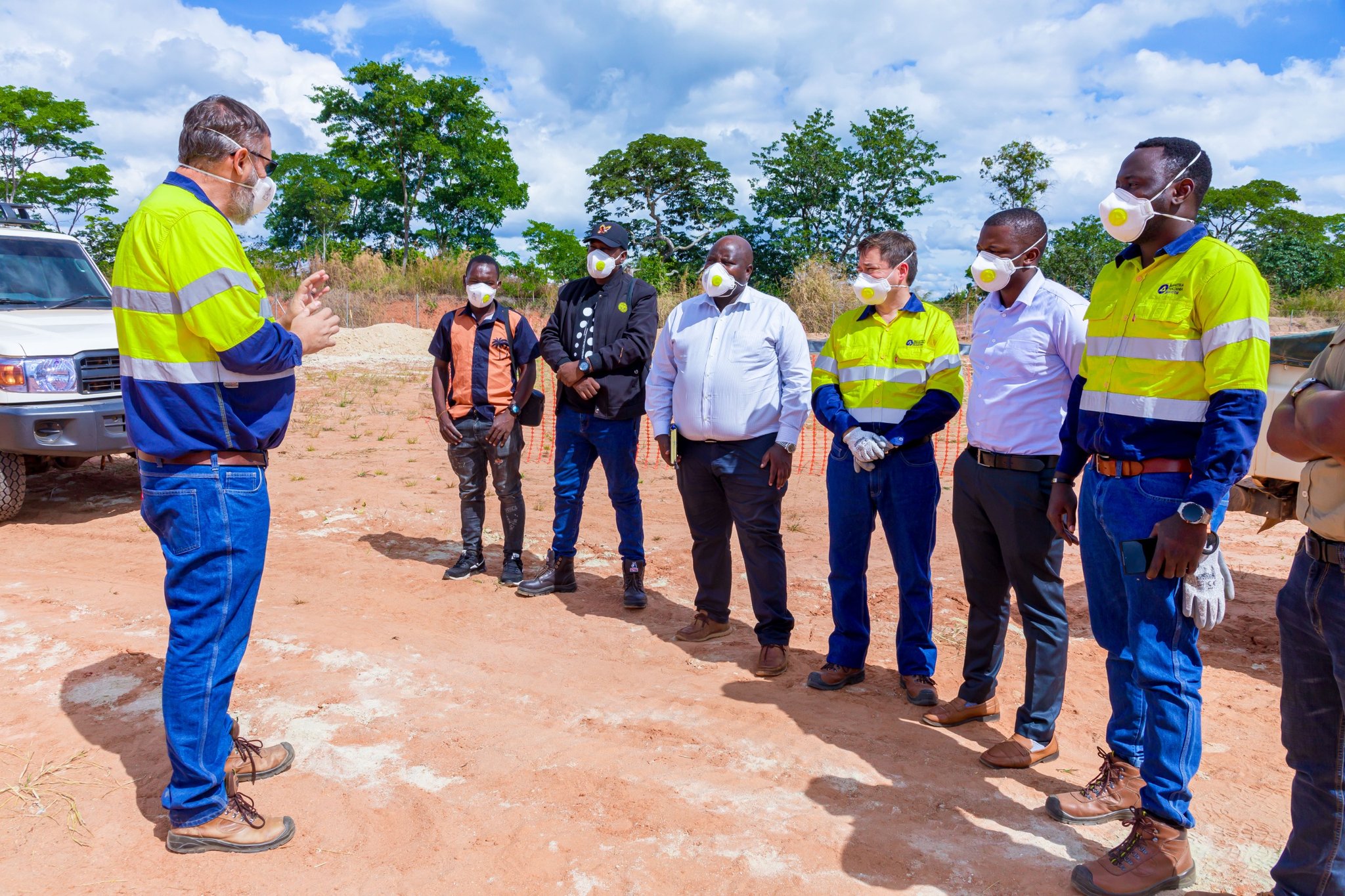
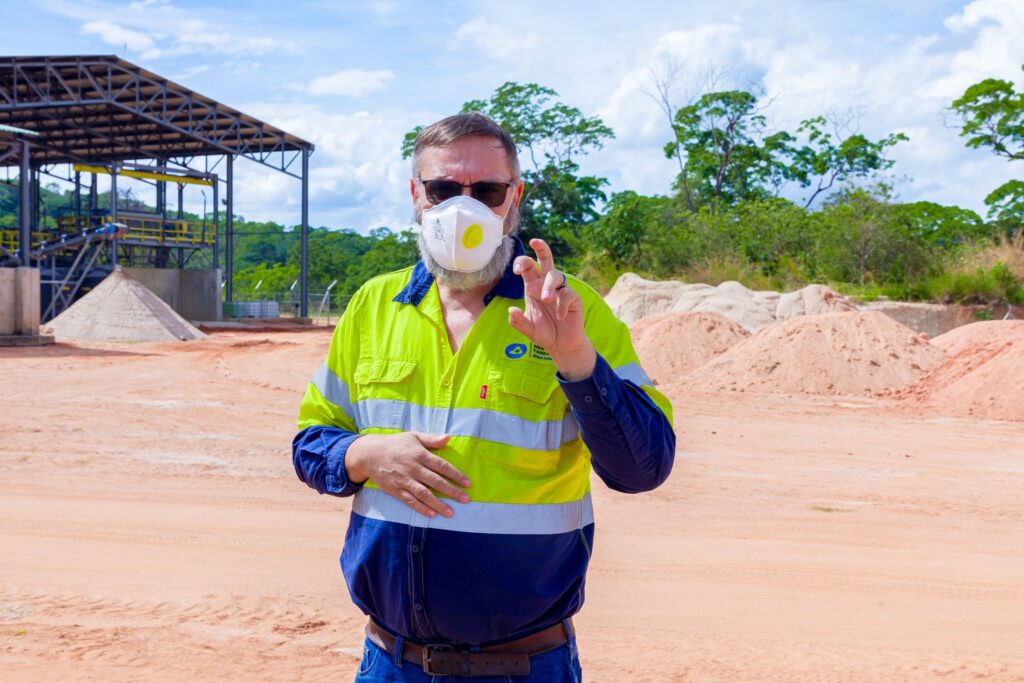
Project Manager Beria Vorster said preparations for the long-delayed project in southern Tanzania’s Ruvuma region were progressing steadily, describing it as one of Africa’s largest uranium developments and an important contributor to the growing global demand for clean energy.
“Once production starts, the Mkuju River project is expected to contribute approximately 4% of global uranium output, placing Tanzania in a strategic position within the international uranium market,” Vorster said earlier this week.
According to the World Nuclear Association, Kazakhstan accounted for around 39% of global uranium production in 2024, followed by Canada with 24% and Namibia with 12%. Uzbekistan contributed roughly 7%, while Russia produced between 4% and 5%.
If the Tanzanian project reaches its projected output, the country could join the world’s top 10 uranium-producing nations.
Vorster stressed that uranium produced in Tanzania would be used exclusively for peaceful energy purposes and not for the manufacture of nuclear weapons.
“Tanzania’s uranium will support the generation of clean and reliable nuclear energy,” he said. “The government of Tanzania, together with international institutions, has established strict monitoring and regulatory systems to ensure the mineral is used solely for its intended civilian purposes.”
Tanzania is a signatory to the Treaty on the Non-Proliferation of Nuclear Weapons (NPT), which commits member states to preventing the spread of nuclear weapons while promoting peaceful uses of nuclear technology.
As countries intensify efforts to reduce carbon emissions and transition towards cleaner energy sources, nuclear power has increasingly been promoted as part of the global response to climate change and rising electricity demand.
Vorster said the project was also expected to create more than 1,000 direct jobs during full-scale operations, alongside thousands of indirect employment opportunities in transport, construction, catering and other support services.
He added that the company had already started training local residents from communities surrounding the project site to prepare them for future employment opportunities.
“So far, 100 young people from nearby villages have received training in the operation of machinery used in mining and mineral processing activities,” Vorster said. “Ten of them have already secured employment with the project, and the programme will continue to develop additional skilled workers needed for full project implementation.”
Ruvuma Regional Mining Officer Alphonce Bikulamchi said the project would stimulate broader economic activity in the region through increased demand for transport, accommodation, food services and local businesses.
“This project will become a major catalyst for economic development in Ruvuma Region,” Bikulamchi said. “Beyond government revenues, local communities will benefit through jobs, business growth and expanded economic opportunities linked to mining activities.”
With its sizeable uranium reserves, projected contribution to global supply and anticipated economic impact, the Mkuju River project is increasingly being viewed as one of Tanzania’s most strategic mining investments as the country seeks to expand its role in the global clean energy supply chain.
MOSCOW, 8th June, 2026
Tanzania and Russia have agreed to strengthen cooperation in geological research and mineral development, as Tanzania seeks to attract more foreign investment into its fast-growing mining sector.
The discussions took place in Moscow on Thursday during President Samia Suluhu Hassan’s official visit to Russia, where Tanzania’s Minister for Minerals, Anthony Mavunde, met Russia’s Deputy Minister for Natural Resources and Environment, Dmitry Tetenkin.
Mavunde said Tanzania was looking to expand cooperation with Russia in geological exploration, citing the East African nation’s vast untapped mineral potential and Russia’s advanced expertise in geological research and mining technology.
“Although our mining sector continues to grow rapidly, only about 16 per cent of Tanzania has undergone detailed geological exploration,” Mavunde said during the talks.
He said expanding exploration activities would help generate more reliable geological data, uncover additional mineral deposits and attract further investment into the sector.
Mavunde identified mineral research as a strategic starting point for broader bilateral cooperation, noting Russia’s experience in geological studies and laboratory technology.
The Tanzanian minister also urged Russian authorities to help fast-track the completion of a memorandum of understanding between Tanzania’s Geological Survey and Mineral Research Institute (GST) and a Russian university. The agreement is expected to facilitate joint research, technology transfer and scientific collaboration between the two countries.
He added that Tanzania was also seeking technical training and capacity-building opportunities for local experts in geology and laboratory sciences to support the development of the country’s mining industry.
Tetenkin welcomed Tanzania’s efforts to strengthen economic ties with Russia and said Moscow was ready to support Tanzania in geological research and professional training.
He further proposed a broader government-to-government agreement between the two countries’ mining ministries to outline long-term objectives and areas of cooperation in the sector.
Separately, Mavunde held talks with Sergey Chestnoy, International Director at Russian aluminium giant Rusal, one of the world’s largest aluminium producers. During the meeting, he invited the company to explore investment opportunities in Tanzania’s bauxite sector, including mineral exploration and extraction projects.
Tanzania has been seeking to expand foreign investment in mining as part of broader efforts by President Samia’s administration to boost economic growth and industrial development.
Notes to Editors
Notes to Editors:
– The Mkuju River project is located in southern Tanzania's Ruvuma Region and is regarded as one of Africa's largest uranium development projects.
– Project officials estimate that once commercial production begins, the mine could contribute approximately 4% of global uranium output, potentially placing Tanzania among the world's top uranium-producing countries.
– Uranium from the project is intended exclusively for civilian nuclear energy generation and will be subject to international safeguards and monitoring mechanisms.
Media Contact:
Information Services Department and Office of The Chief Government Spokesman
E-mail: maelezotv@gmail.com
Phone: +255 754 750 765, +255 754 698 856, +255 759 714, +255 713 381 904
Availability: EAT, UTC +3