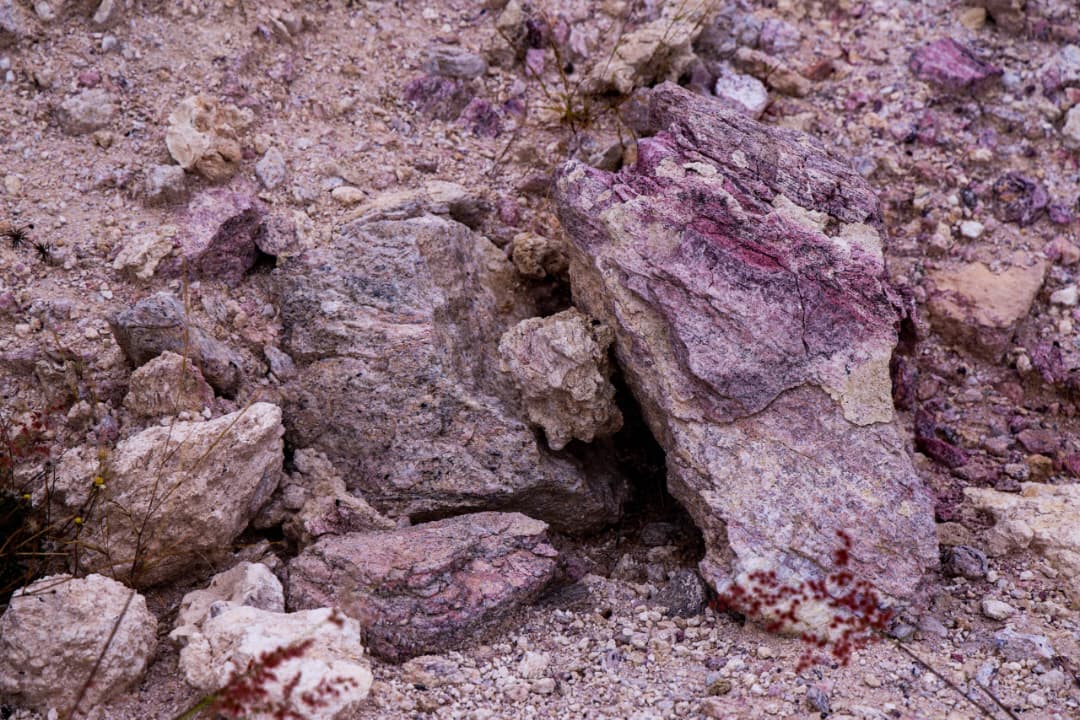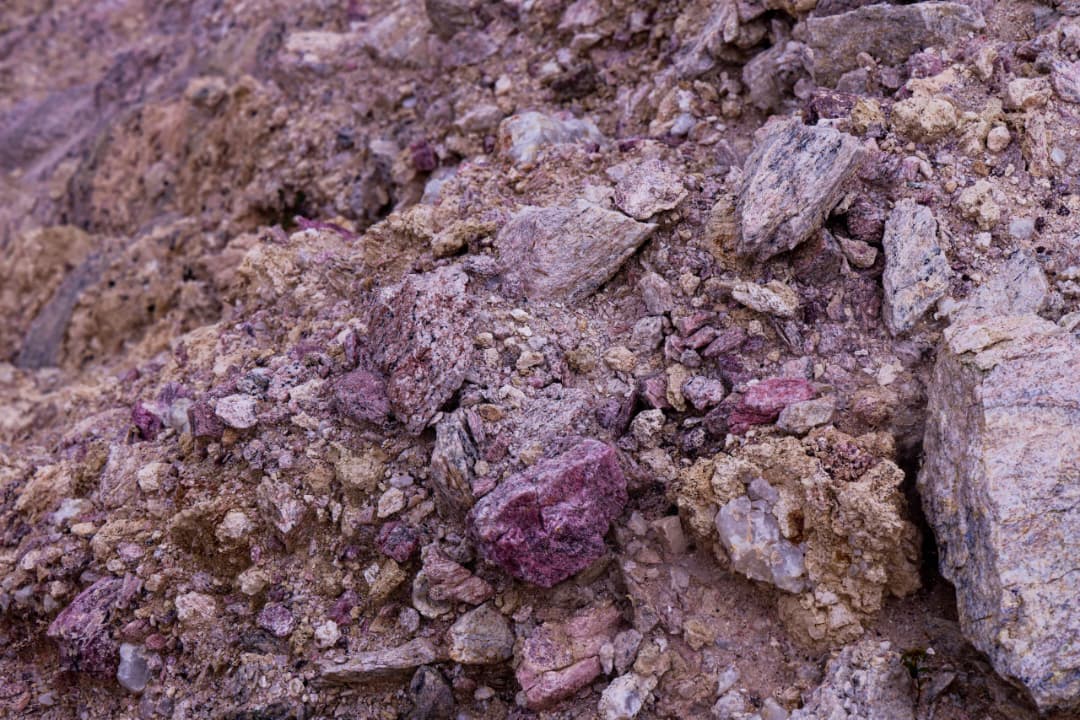
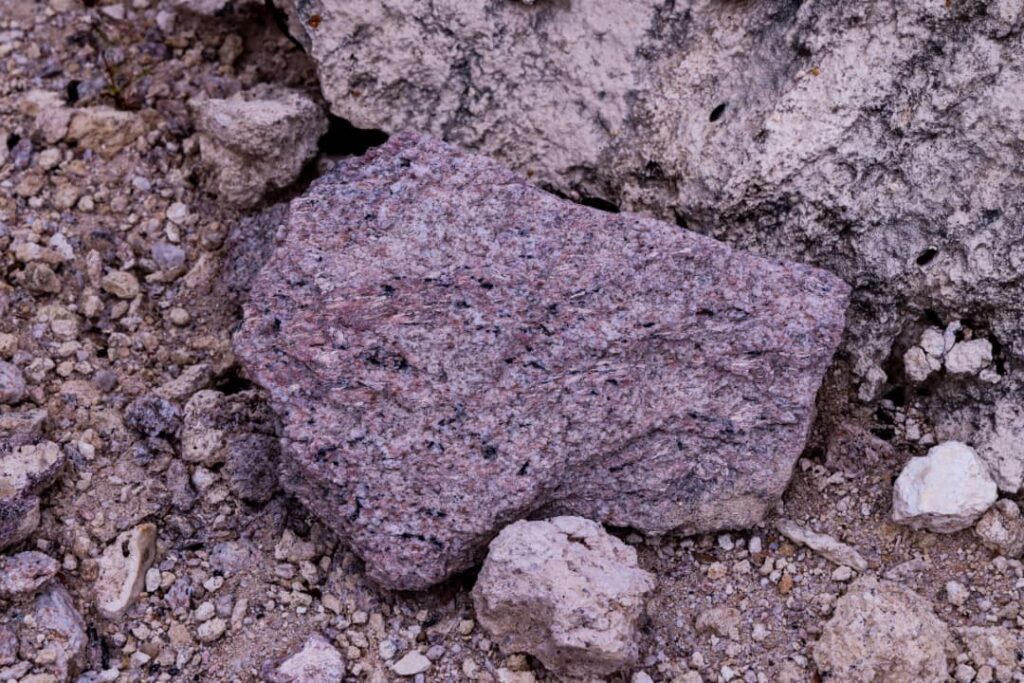
Scientists and geologists say the rare mineral, first discovered at Mautia Hill in 1959, represents one of the world's most important geological records of high-pressure metamorphic processes, placing Tanzania among a select group of countries hosting rocks that provide critical insights into the Earth's deep geological evolution.
Named after renowned American geologist Hatten Yoder Jr., Yoderite was first identified during geological studies conducted at Mautia Hill, establishing Tanzania as a landmark location for Earth science research. The mineral has since been reported in only a handful of locations globally, underscoring its exceptional scientific value.
According to geological studies, Yoderite occurs within rare high-pressure metamorphic rocks known as whiteschists, which formed approximately 630 million years ago under extreme temperatures and pressures more than 30 kilometres beneath the Earth's surface. These rocks were later uplifted through tectonic processes, providing scientists with direct evidence of deep crustal evolution and continental plate movements over hundreds of millions of years.
Speaking during a media tour of the site, Solomon Maswi, Geology Manager at the Geological Survey of Tanzania, said Yoderite is not regarded as an economic mineral for commercial mining because of its rarity and limited industrial applications. Instead, its significance lies in scientific research, higher education and geological heritage conservation.
"The uniqueness of Yoderite has positioned Tanzania as an internationally recognised centre for high-pressure metamorphic research. Mautia Hill serves as a natural laboratory that continues to attract scientists seeking to understand the geological evolution of the Earth," Maswi said.
He noted that preserving the site is essential for supporting future scientific discoveries while expanding opportunities for education, international collaboration and geotourism.
More than six decades of international research
Mautia Hill has remained an important destination for geological research for more than six decades.
Among the scientists who contributed significantly to advancing research at the site is Professor Abdulkarim Mruma, who conducted geological investigations at Mautia Hill between 1981 and 1983 in collaboration with researchers from the University of Göttingen.
His Master's research, supervised by Professor Helmut Behr, expanded scientific understanding of Tanzania's rare high-pressure metamorphic rocks and strengthened the country's contribution to international geological knowledge.
Over subsequent decades, researchers from the University of Göttingen and other international institutions, including Dr Tillman Henrichs, have continued to undertake field studies at Mautia Hill, reinforcing its global reputation as a key research location for metamorphic geology.
Emerging geotourism destination
Beyond its scientific importance, experts believe Mautia Hill offers significant potential for geotourism, a rapidly growing niche within sustainable tourism that combines conservation, education and local economic development.
The site could attract geologists, university students, researchers and international visitors interested in experiencing one of Africa's most important geological heritage sites.
Proposals under consideration include establishing geological interpretation centres, developing guided geotrails, expanding educational programmes and strengthening partnerships with international research institutions.
Experts say such initiatives would diversify Tanzania's tourism offering beyond its renowned wildlife and cultural attractions while supporting local communities through knowledge-based tourism.
As global interest in geological heritage continues to grow, Mautia Hill is increasingly viewed as a candidate for international recognition as a protected geoscience site, reflecting Tanzania's broader commitment to conserving natural heritage while promoting scientific research, education and sustainable tourism.
The development of Kongwa as a geotourism destination signals a shift in Tanzania's management of geological resources—from a primary focus on mineral extraction towards conservation, research, education and the promotion of globally significant geological heritage.
Notes to Editors
· Mautia Hill, located in Kongwa District, Dodoma Region, is internationally recognised as the type locality where the rare mineral Yoderite was first discovered in 1959.
· Yoderite is an extremely rare mineral found in high-pressure metamorphic rocks (whiteschists) formed approximately 630 million years ago, providing valuable evidence of the Earth's deep crustal evolution and tectonic history.
· The mineral was named after American geologist Hatten Yoder Jr. in recognition of his contributions to geological science.
Media Contact:
Information Services Department and Office of The Chief Government Spokesman
E-mail: maelezotv@gmail.com
Phone: +255 754 750 765; +255 754 698 856; +255 759 714; +255 713 381 904
Availability: EAT, UTC +3