
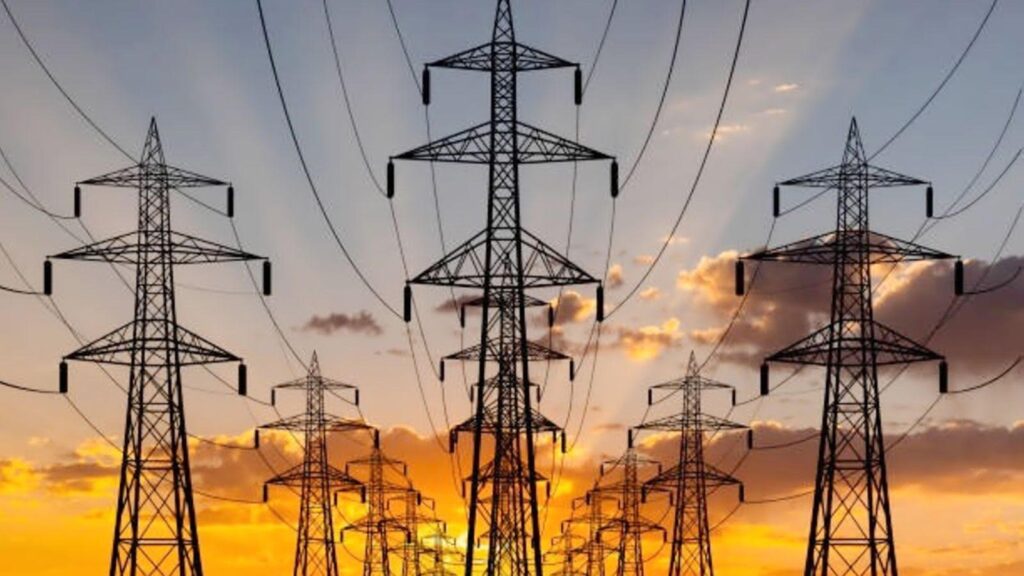
For Chinese investors, who view infrastructure as both an economic catalyst and a strategic asset, Tanzania’s electrification drive reflects a development logic they know well: lay the foundation first, and growth will follow.
According to government data, 12,278 out of 12,318 villages (about 99.7%) have been connected to the grid, and more than 32,800 hamlets (smaller rural settlements) have received electricity, marking a transformative expansion of energy access. More than 12,900 health and education facilities are now powered, boosting service delivery across the country.
Embedded in Tanzania’s National Development Vision 2050, electrification is framed not merely as access to power but as a driver of productive capacity. That framing closely aligns with China’s state-led development model, where major infrastructure projects often pave the way for broader economic transformation.
China’s own electrification experience, especially in rural regions, preceded rapid growth in manufacturing clusters, urbanisation and value chains. In Tanzania, electricity is already enabling agro-processing, small manufacturing, logistics and digital services, sectors where Chinese firms often hold competitive advantages. As rural incomes rise, demand grows for appliances, construction materials and consumer goods, creating opportunities for investment and market expansion.
For many Chinese investors, electrification also serves as a signal that complementary sectors — housing, transport, ICT and light industry — are likely to follow.
China’s growing investment footprint in Tanzania
China has emerged as a leading source of foreign direct investment in Tanzania, significantly contributing to the country’s development, officials say.
Tausi Kida, Permanent Secretary in the President’s Office responsible for Planning and Investment, told a recent China–Tanzania Investment Forum that the Tanzania Investment Centre registered 256 Chinese projects worth about US$2.5 billion between January 2021 and December 2023, spanning manufacturing, commercial buildings, agriculture, transportation and services.
Tanzanian authorities say cumulative Chinese-led investment in the country exceeds US$11 billion, creating more than 114,700 jobs.
Chinese Ambassador to Tanzania Chen Mingjian commended the Tanzanian government’s proactive measures to attract investment, saying Beijing is “confident in Tanzania’s future development prospects.” Officials from both sides have noted the historically friendly ties between the two countries and pledged to deepen economic cooperation.
Tanzania’s consistent track record in delivering nationwide electrification stands out to Chinese investors. Connecting every village in a low-income, geographically diverse country demands coordinated planning, policy coherence and sustained political commitment, all of which help mitigate implementation risks that often deter investment in frontier markets.
Tanzania’s state-owned utility and the Rural Energy Agency (REA) have shown the capacity to manage and deploy large-scale energy programmes.
Engineer Jones Olotu, Director of Rural Electrification at REA, has pointed to the dramatic shift from a few hundred connected villages in the early 2000s to nearly complete village coverage today.
Strategic geography and regional value
Tanzania’s location in East Africa, with access to Indian Ocean ports and broad hinterland markets, adds strategic appeal for long-term investors. Electrification strengthens the country’s role as a logistics and manufacturing corridor serving neighbouring economies.
For Chinese firms engaged in regional value chains, reliable electricity reduces operational risk and enhances competitiveness. Industrial parks, special economic zones and processing facilities, often central to export-oriented production, depend on stable power — a prerequisite for investment decisions.
The more than 31,500 unconnected sub-villages present both a challenge and an opportunity. China’s extensive experience with rural electrification, mini-grids and cost-efficient engineering positions its firms well to help close the gap.
Financing models that combine concessional loans, supplier credits and public-private partnerships mirror approaches that have succeeded in other regions and can anchor broader economic cooperation.
Unlike short-term portfolio investors, Chinese capital typically takes a long view, often looking beyond immediate financial gains to strategic footholds aligned with broader geopolitical and economic ties. Electrification fits this logic: early investment with deferred but durable returns, alongside strong political and diplomatic goodwill.
With Tanzania advancing toward its 2050 development vision, electricity is seen as foundational to industrialisation, urbanisation and digital integration.
For Chinese investors, the message is familiar: those who help build the foundation help shape the market. In that sense, Tanzania’s expanding power grid is not just delivering electrons — it is carrying the promise of a more connected, productive and investable economy, one that rewards patience as much as capital.
Notes to Editors
• Tanzania’s infrastructure-first development approach mirrors China’s own growth model, enhancing its attractiveness to Chinese investors with long-term horizons.
• The Tanzania Investment Centre registered 256 Chinese projects worth about US$2.5 billion (2021–2023), while cumulative Chinese investment is estimated to exceed US$11 billion, supporting over 114,700 jobs.
• The Rural Energy Agency (REA) and the state-owned utility have demonstrated the ability to plan and deliver large-scale national energy programmes.
Media Contact
Information Services Department and Office of the Chief Government Spokesman
Email: maelezotv@gmail.com
Phone: +255 754 750 765
Availability: EAT (UTC +3)
ENDS