
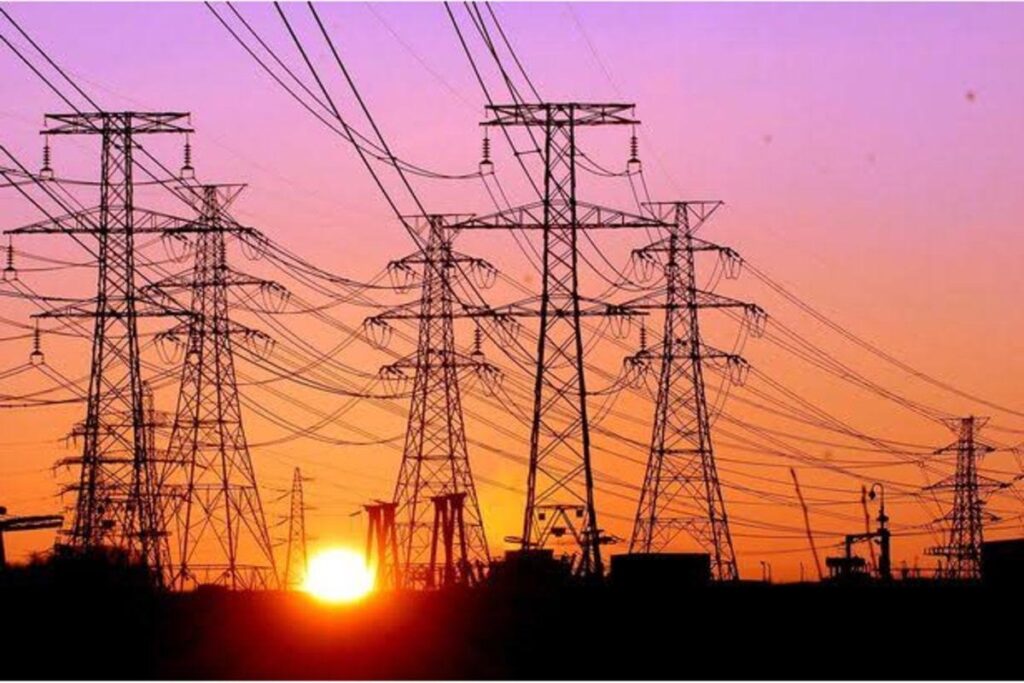
In just over a decade, Tanzania has moved from limited rural electrification to near-universal village access. Today, about 78% of households are connected to electricity, up from 39.9% in 2020, and all 12,318 villages nationwide have been electrified. What remains is the most complex phase: extending connections to more than 31,500 sub-villages and households at the edges of the grid.
This effort is more than a public works initiative. It is a deliberate economic strategy embedded in Tanzania’s National Development Vision 2050, positioning electricity as a foundation for inclusive growth, productivity gains and long-term market depth. For U.S. investors accustomed to evaluating emerging markets through the lens of execution risk and scalability, Tanzania offers a rare example of delivery at national scale.
American investors typically focus less on access metrics and more on productivity and market expansion. In Tanzania, electrification is already translating into measurable economic activity.
Expanded rural and peri-urban power access has enabled the growth of small-scale manufacturing, agro-processing and service businesses, including grain milling, cold storage, welding, carpentry, digital services and mobile-based commerce. These enterprises increase household incomes, formalize supply chains and strengthen domestic demand—conditions critical for U.S. firms seeking scalable consumer and industrial markets.
Electricity also lowers the cost of doing business. Small and medium-sized enterprises can operate longer hours, reduce reliance on diesel generators and adopt basic digital tools. For U.S.-backed growth equity funds focused on frontier markets, this improves portfolio resilience and strengthens exit prospects.
Infrastructure as risk reduction
What sets Tanzania apart from many frontier peers is not ambition, but sequencing. By prioritizing nationwide electrification ahead of aggressive industrial expansion, the government has reduced a core operational risk: unreliable power supply.
For U.S. corporate and institutional investors, energy reliability is often the single biggest deterrent to manufacturing and logistics investments in Africa. Tanzania’s expanding grid—supported by hydropower, natural gas and renewable energy—signals both policy commitment and technical capacity.
This approach also aligns with the mandates of U.S. development finance institutions. Electrification fits closely with the priorities of agencies such as the U.S. International Development Finance Corporation, which increasingly blends commercial returns with development outcomes. Last-mile connections, mini-grids and off-grid solar projects present bankable opportunities with clear and measurable impact metrics.
The last mile: challenge and opportunity
The remaining 22% of households are the most difficult to reach. They are often geographically dispersed, lower-income and costly to connect through traditional grid infrastructure. For purely commercial investors, returns may appear limited. For blended finance and impact-oriented capital, however, this is where investment can be catalytic.
U.S. investors familiar with public-private partnerships, concessional finance and impact investing will recognize the pattern: early-stage risk followed by market creation. Once electricity arrives, demand quickly grows for appliances, digital services, financial products and consumer goods.
In practical terms, electrification converts subsistence communities into entry-level consumer markets—a dynamic U.S. firms have previously seen in frontier expansions across Asia and Latin America.
There is also a geopolitical dimension. As the United States seeks to deepen economic engagement with Africa beyond extractive industries, infrastructure-led development offers a market-oriented and non-coercive model of partnership. Tanzania’s electrification drive aligns with U.S. priorities on energy transition, private-sector-led growth and democratic development, without heavy political conditionality.
For American investors cautious about policy volatility, Tanzania’s ability to deliver village-level electrification provides a rare signal of institutional follow-through.
Electrification alone does not guarantee prosperity. Skills development, governance and access to finance remain essential. But without electricity, none of these can scale.
Tanzania’s experience points to a frontier market entering a new phase—from access to productivity, from promise to performance. For U.S. investors seeking early exposure to Africa’s long-term growth trajectory, this is not a humanitarian story but a commercial signal: a large, young market is switching on.
Notes to Editors
· Tanzania has achieved 100% village-level electrification, with all 12,318 villages connected to the national grid. Household access has risen to approximately 78%, up from 39.9% in 2020.
· The electrification program is a core pillar of Tanzania’s National Development Vision 2050, positioning energy access as a foundation for productivity, inclusive growth and private-sector expansion.
· The remaining electrification phase focuses on over 31,500 sub-villages and last-mile connections, presenting opportunities for blended finance, PPPs, mini-grids and off-grid solar solutions.
Media Contact:
Information Services Department and Office of The Chief Government Spokesman
E-mail: maelezotv@gmail.com
Phone: +255 754 750 765
Availability: EAT, UTC +3
ENDS