For years, critics have argued that the education system produces graduates with qualifications but without the practical competencies needed to earn a living. Under the revised Education and Training Policy, first adopted in 2014 and updated in 2023, the government is now repositioning education around skills, competence and entrepreneurship, aiming to equip young people to create work through enterprise, innovation and productivity.
Young people make up the largest share of Tanzania’s population, with thousands entering a labour market each year that cannot absorb them into formal employment. Policymakers say the challenge is not simply to educate, but to equip, enabling young Tanzanians to translate learning into livelihoods.
At the heart of the reforms is a simple premise: certificates do not generate income; skills do.
One of the most significant changes is the introduction of two parallel and equally recognised pathways at secondary school level, academic and vocational. For decades, academic progression to university was treated as the primary measure of success, while technical and vocational education carried lower status.
The revised policy seeks to dismantle that hierarchy. By elevating vocational training, the government is signalling that skills in mechanics, construction, agribusiness, information technology and manufacturing can provide direct routes to employment and entrepreneurship. For students with practical strengths, officials say, the shift represents a move from exclusion to opportunity.
The extension of compulsory education from seven to ten years is intended to reinforce this transition. Many young Tanzanians leave school early and drift into low-paid informal work without the skills needed to progress. Keeping learners in school until at least 16 aims to strengthen core competencies, including literacy, numeracy and problem-solving, while giving students time to identify viable career paths.
Skills as Economic Policy
Vocational education is increasingly being framed as an economic strategy rather than a social safety net. The expansion of vocational colleges across districts, alongside the upgrading of Folk Development Colleges, is designed to bring training closer to communities and local labour markets.
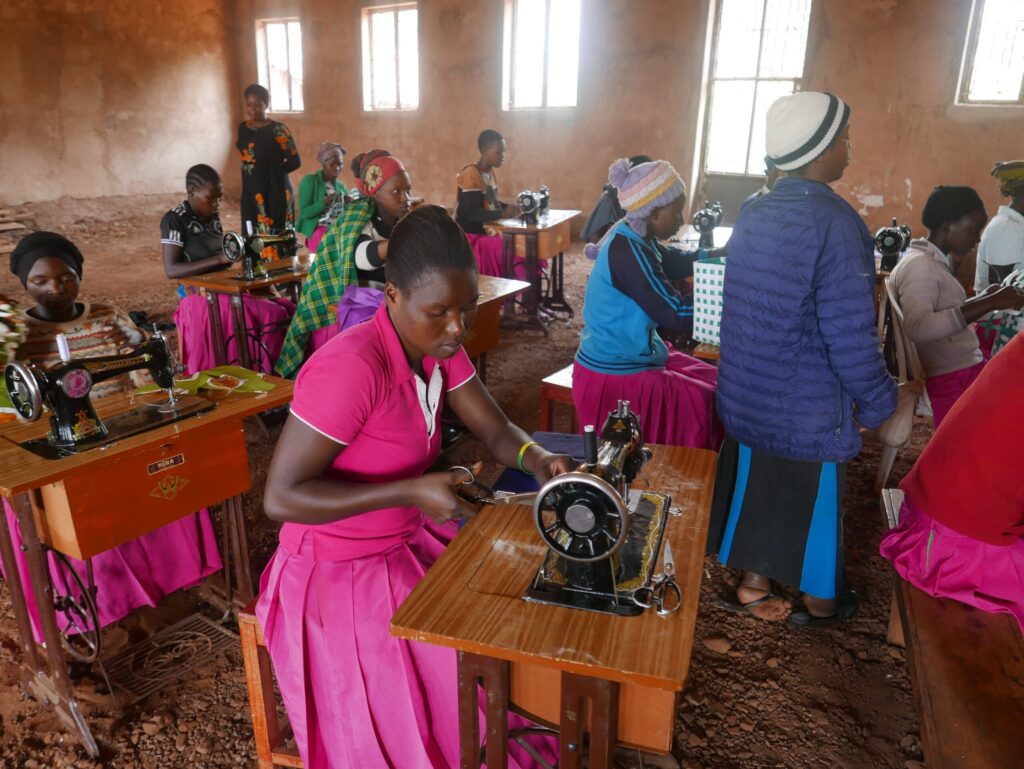
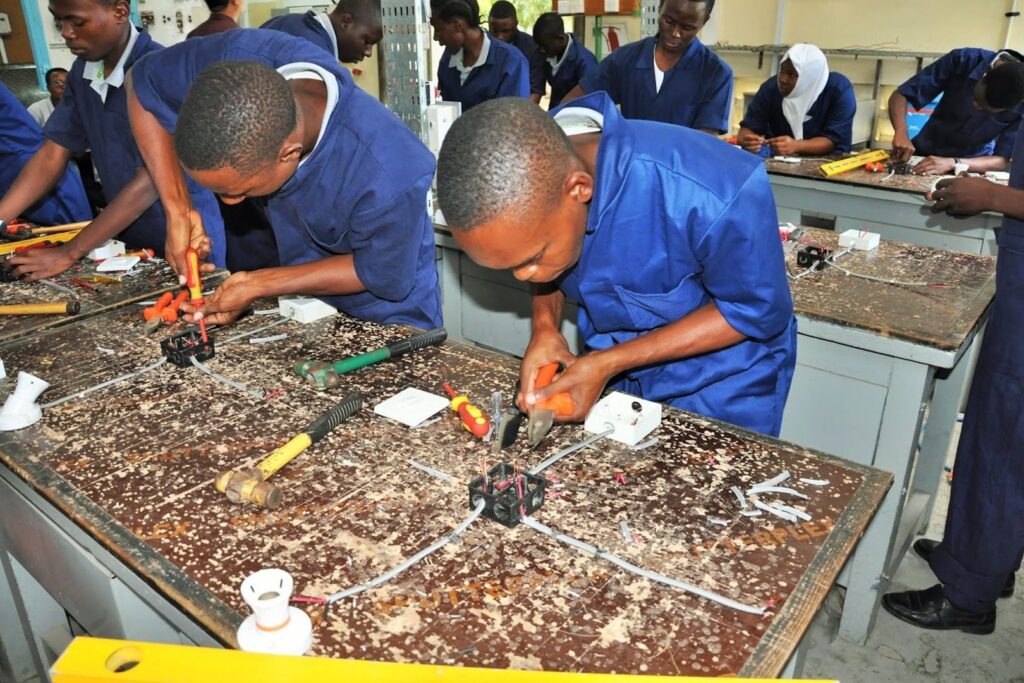
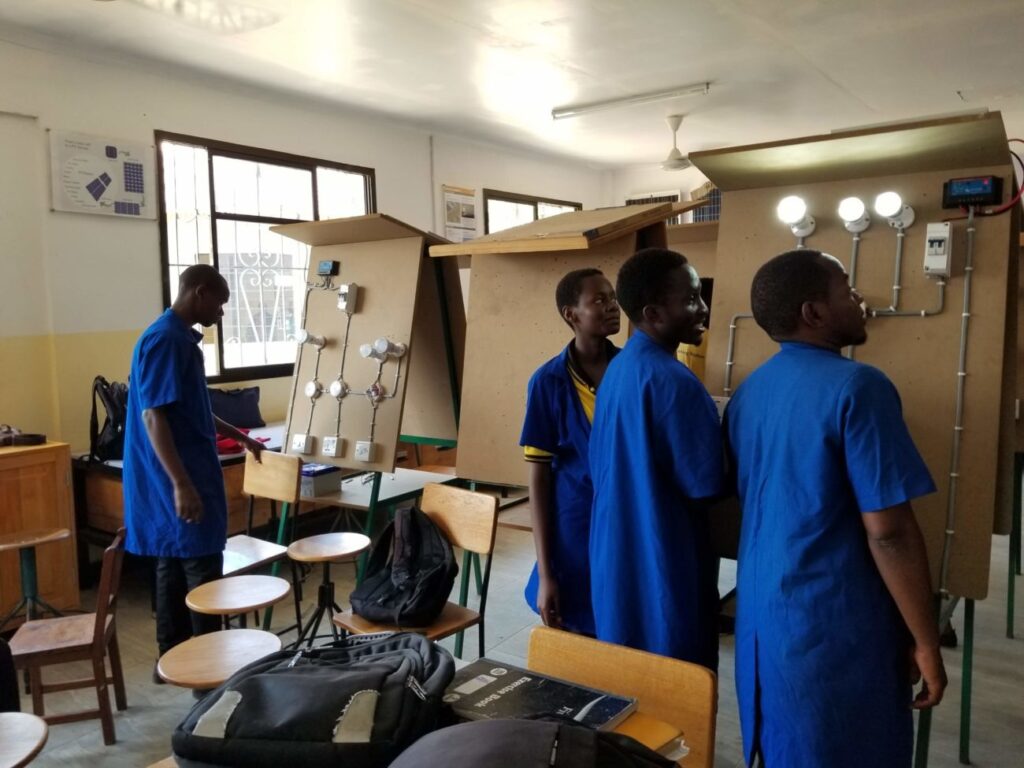
The focus is on skills that can be monetised quickly, such as carpentry, welding, electrical installation, mechanics, tailoring, food processing and modern agriculture. For many young people, these pathways are not fallback options but practical entry points into self-employment and small enterprise.
Another key shift is the formal recognition of skills acquired outside the classroom. Informal apprenticeships remain a common route into trades, but lack of certification has often limited access to finance and formal contracts. By introducing systems to assess and certify these skills, the government aims to convert informal experience into recognised economic value, improving access to loans, markets and growth opportunities for youth-led businesses.
Universities and the Innovation Push
At university level, reforms are also being aligned with labour market demand. Expanded student loans and targeted scholarships in science, engineering, artificial intelligence and other high-growth fields are intended to prepare graduates for emerging industries.
There is a parallel push to promote innovation and entrepreneurship, with start-up funds, incubation centres and research hubs encouraging students to move beyond job-seeking towards problem-solving and business creation. In an economy where the informal sector absorbs much of the youth workforce, this shift frames technology, creativity and innovation as drivers of productivity rather than academic add-ons.
Digital education strategies, including guidance on artificial intelligence, reflect the government’s view that future opportunities will be increasingly technology-led. Challenges remain, however, with limited internet access in rural areas and shortages of trained teachers potentially slowing the reforms if infrastructure and capacity do not keep pace.
Changing Mindsets
Ultimately, the success of Tanzania’s education overhaul will be measured by outcomes rather than policy language, whether young people leave the system with usable skills, confidence to start enterprises and the resilience to sustain them.
The reforms also challenge long-held assumptions about status and success. White-collar employment has traditionally been prized, even as such jobs become scarcer. By elevating technical and vocational pathways, the government is promoting a more pragmatic vision of education that prioritises competence over credentials.
For Tanzania’s youth, the message is increasingly clear: learning a skill may matter more than holding a certificate. Whether that message translates into jobs and livelihoods will be the real test of the country’s education reform agenda.
Notes to Editors
- Tanzania’s 2014 revised Education and Training Policy was updated in 2023 to emphasise skills, competence and entrepreneurship.
- The reforms introduce equal recognition of academic and vocational pathways at secondary level.
- Youth employment and enterprise development are central objectives of the policy shift.
Media Contact:
Information Services Department and Office of The Chief Government Spokesman
E-mail: maelezotv@gmail.com
Phone: +255 754 750 765
Availability: EAT, UTC +3
ENDS