
[PRESSWIRE] DODOMA, Tanzania – 8th February, 2026 – 8 February, 2026 — The United Republic of Tanzania (URT) envisions long-term economic growth by expanding agriculture, industry and services, aiming to build a stronger middle class and lift the economy to as much as $1 trillion by mid-century, a senior government minister said on Tuesday.
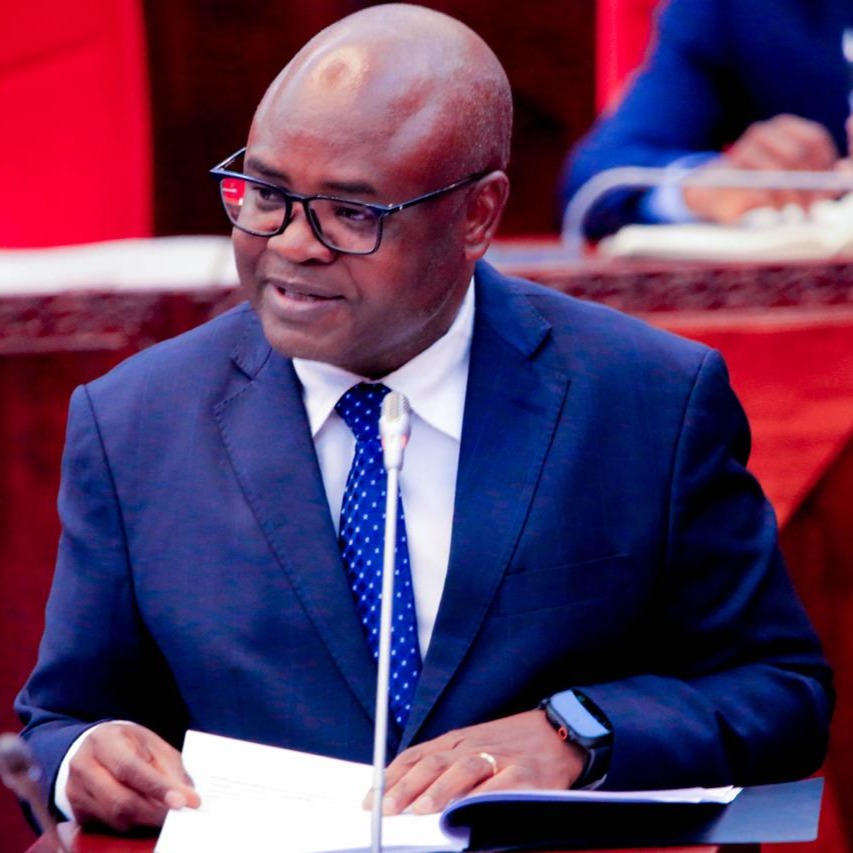
Professor Kitila Mkumbo, Minister of State in the President’s Office for Planning and Investment, said the strategy underpins the country’s new long-term development framework, including its 25-Year Perspective Plan to 2050 and the next five-year national development programme.
Speaking during parliamentary debates, Mkumbo said Tanzania’s growth model would prioritise agribusiness, technology-led manufacturing and a broad services sector covering tourism, transport, health and culture.
“Economic growth must translate into a larger middle class capable of supporting industrial production and consumption,” he said.
Tanzania’s economy is currently growing at between 5.9% and 6.3% a year. At that pace, gross domestic product is projected to reach about $500 billion by 2050. Adopting what Mkumbo described as a “business unusual” reform agenda could double that figure, he said.
Agriculture remains a central pillar of the plan, with government spending on the sector rising to 1.25 trillion Tanzanian shillings ($480 million) in the current financial year from 290 billion shillings in 2020/21. Irrigation coverage has expanded to nearly one million hectares, with a target of five million hectares by 2030.
Mkumbo said private investment would be critical to meeting the targets, noting that the private sector already accounts for about 70% of total investment. The government aims to shift the state’s role from regulator to facilitator, adopt results-based performance management and concentrate on a limited number of high-impact growth sectors.
He also pointed to progress on large-scale energy and mining projects, including the long-delayed liquefied natural gas (LNG) project in southern Tanzania and the Mchuchuma–Liganga coal and iron ore development, saying both were nearing implementation.
Decentralisation will be key to execution, Mkumbo added, with local governments expected to take a greater role in delivering infrastructure and services while central authorities focus on national strategic priorities.
Separately, Finance Minister Khamis Musa Omar said the government was reviewing proposals to redirect portions of public funds towards infrastructure and special economic zones, while taking account of concerns about the fiscal capacity of local authorities.
He said Tanzania would continue strengthening revenue collection systems and institutions, including the Tanzania Revenue Authority, and approach external borrowing by commercial banks cautiously.
Existing legal provisions have already enabled the Tanzania Agricultural Development Bank to secure 500 billion shillings in financing from the African Development Bank and the Japan International Cooperation Agency, Omar said.
· Tanzania is pursuing a long-term economic transformation strategy under its 25-Year Perspective Plan to 2050, targeting an economy of up to $1 trillion by mid-century, depending on reform implementation.
· Current GDP growth stands between 5.9% and 6.3% annually, with projections indicating GDP could reach $500 billion by 2050 under current growth trends. Accelerated structural reforms could potentially double that figure.
· The strategy prioritises three core pillars:
I. Agribusiness and agricultural modernisation
II. Technology-driven manufacturing and industrial value addition
III. Expansion of the services sector, including tourism, transport, health and culture
Media Contact:
Information Services Department and Office of The Chief Government Spokesman
E-mail: maelezotv@gmail.com
Phone: +255 754 750 765; +255 754 698 856; +255 759 714; +255 713 381 904
Availability: EAT, UTC +3