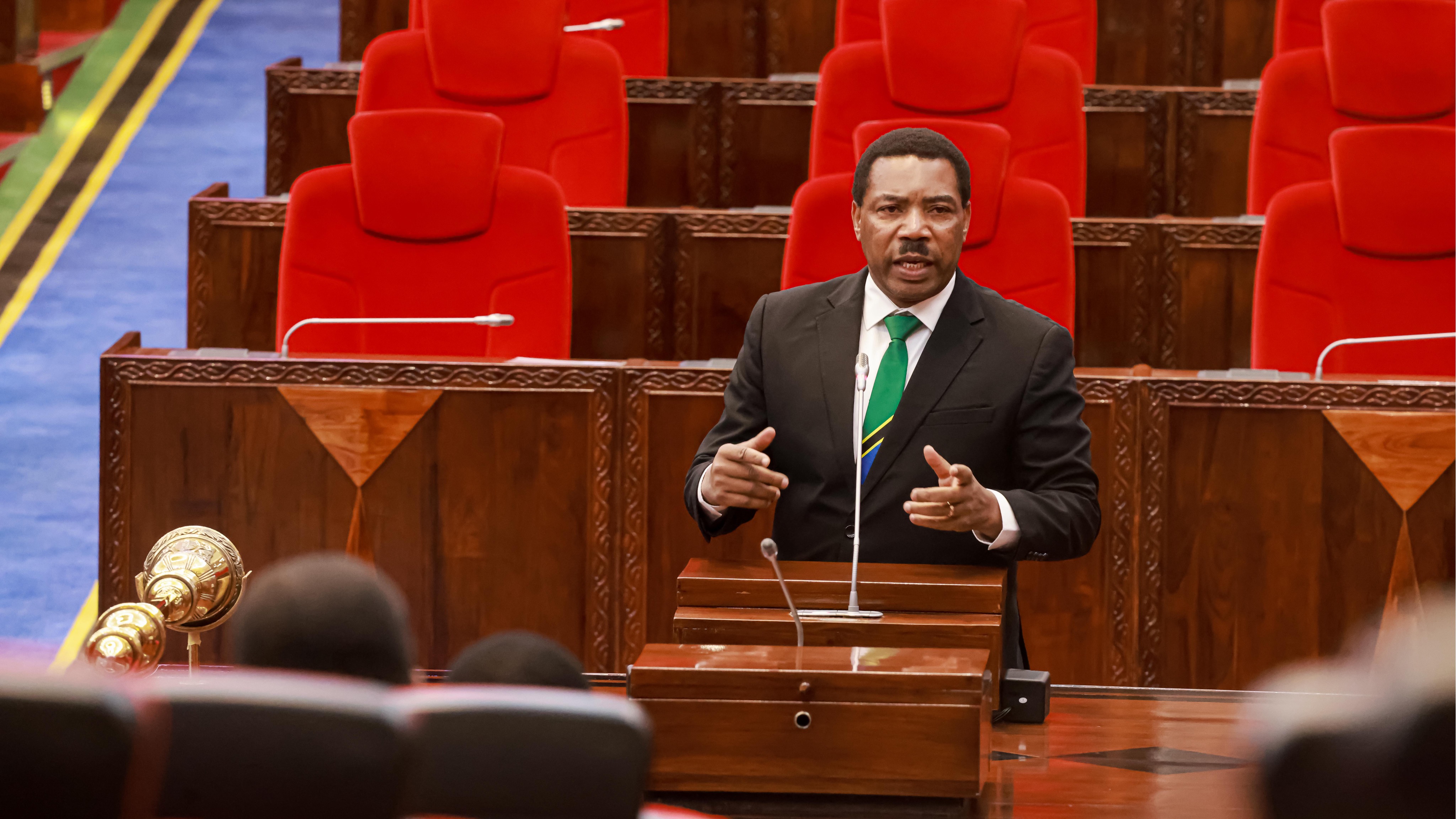
[PRESSWIRE] Dodoma, Tanzania – 2 February 2026 — Tanzania—s Prime Minister Dr Mwigulu Nchemba said the government—s new Universal Health Insurance (UHI) scheme is designed to reduce inequality by giving poorer citizens access to medical care without financial hardship, a move aligned with global efforts to achieve universal health coverage.
Speaking in parliament on Tuesday, Dr Nchemba said the programme targets low-income groups, including children, pregnant women, the elderly, persons with disabilities, and vulnerable households. Government subsidies will cover all or part of their premiums, ensuring access to essential health services without upfront payments.
—The scheme being introduced in the country is expected to help solve health-access problems for the vulnerable population,— Dr Nchemba told lawmakers, noting that high out-of-pocket costs have historically pushed poor families into deeper poverty.
The UHI initiative follows global health financing principles promoted by the World Health Organization (WHO) and the World Bank, which advocate risk pooling and equitable access to care to reduce disparities between rich and poor. By making health insurance mandatory, Tanzania hopes to expand coverage rapidly, pooling resources to ensure sustainability and reduce barriers to care.
Dr Nchemba said the government has recruited 5,000 medical personnel in line with President Samia Suluhu Hassan—s pledge to strengthen health services within 100 days of her second term. Additional measures include the provision of essential medicines, functional equipment, and improved healthcare infrastructure nationwide.
He stressed that the success of the UHI scheme requires community engagement, urging Members of Parliament, local leaders, and civil society to educate citizens about its benefits.
Addressing concerns about consultation fees, Dr Nchemba clarified that children under five, pregnant women, the elderly, and patients with epidemic diseases are exempt under the UHI Act. He also directed the Ministry of Health to standardise service charges nationwide to prevent disparities between local facilities.
Experts say Tanzania—s approach mirrors global trends in low- and middle-income countries seeking to expand universal health coverage, improve equity, and reduce catastrophic healthcare spending. The World Bank estimates that countries adopting similar insurance schemes can cut extreme poverty and improve health outcomes, particularly for vulnerable populations.
—The UHI initiative positions Tanzania as part of a growing number of African countries leveraging social health insurance to strengthen health systems and promote social protection,— said a health policy analyst in Dar es Salaam.
The government is finalising systems to identify poor and vulnerable households to ensure subsidies and insurance benefits reach those most in need, a move that international development partners say is crucial for successful implementation.
-———— Tanzania has introduced a Universal Health Insurance (UHI) scheme as part of broader health sector reforms under President Samia Suluhu Hassan—s second term, with the aim of achieving universal health coverage (UHC) and reducing inequality in access to healthcare.
-———— The UHI scheme makes health insurance mandatory while providing full or partial government subsidies for poor and vulnerable groups, including children, pregnant women, older persons, people with disabilities and households identified as vulnerable.
-———— The reform aligns with global health financing principles promoted by the World Health Organization (WHO) and the World Bank, which emphasise risk pooling, equity and protection against catastrophic health spending.
Media Contact:Information Services Department and Office of The Chief Government Spokesman E-mail: maelezotv@gmail.comPhone: +255 754 750 765, +255 754 698 856, +255 759 714, +255 713 381 904Availability: EAT, UTC +3 ENDS
ENDS
Images