
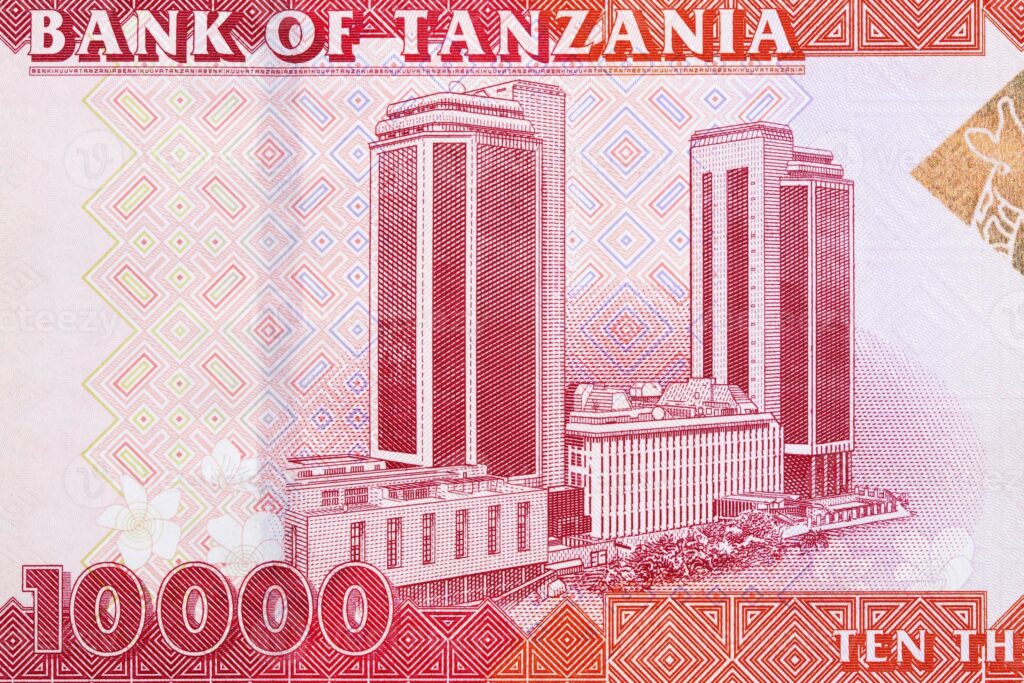
The Bank of Tanzania (BoT) has expanded gold purchases as part of a broader reserve-building strategy, helping to cushion the economy against external volatility. Central bank data indicate the shilling is expected to remain broadly stable through 2026, supported by policy discipline, improved export performance and adequate foreign exchange buffers.
The shilling recorded a notable recovery in the second half of 2025, appreciating by about 6.5 per cent against the US dollar. The move followed decisive central bank action, firmer enforcement of foreign exchange regulations and stronger inflows from the external sector.
BoT intervention increased during the period, with foreign exchange sales exceeding $260m by the end of November 2025, up from less than $170m over the same period in 2024. The stepped-up intervention helped smooth market conditions during a period of heightened dollar demand ahead of the general election.
Regulatory reforms have reinforced the role of the shilling in the domestic economy. In March 2025, the central bank reaffirmed that all prices and payments for goods and services within Tanzania must be denominated in shillings, a move that has strengthened demand for the local currency and reduced informal dollarisation.
External sector performance has also improved. Higher gold prices, strong horticultural exports and sustained government support for import substitution have lifted export earnings while moderating growth in imports. Tanzania has achieved self-sufficiency in key construction materials, including cement, tiles and steel, and is advancing domestic production of sugar and fertiliser.
Although capital goods imports remain elevated due to ongoing infrastructure investment, their impact has been partly offset by lower global energy prices. Oil accounted for about 20 per cent of goods imports in 2024, making recent price declines an important buffer for the trade balance. As a result, overall import expenditure has been better contained.
On current trends, the shilling is projected to average around 2,550 to the dollar in 2026. BoT officials say the bank remains well positioned to intervene if needed, with reserve levels providing sufficient room to manage temporary pressures on the currency.
International attention following Tanzania’s October 2025 general election has introduced some uncertainty around donor flows. However, the authorities have emphasised policy continuity and macroeconomic stability, helping to sustain confidence among investors and development partners.
Foreign exchange reserves stood at $6.2bn at the end of October 2025, supported by rising gold receipts and continued reserve accumulation. The central bank has signalled its commitment to maintaining adequate liquidity in the foreign exchange market.
A gradual narrowing of the current account deficit is expected to further support the shilling. BoT projections show the deficit easing from about 3.2 per cent of GDP in 2025 to around 2.5 per cent in 2026, reflecting stronger exports and steady growth in services.
While debt servicing continues to weigh on primary income balances, gains from gold, horticulture and transport services are expected to offset part of the pressure. The anticipated completion of the East African Crude Oil Pipeline in late 2026 is also expected to strengthen services exports.
Gold remains a key pillar of Tanzania’s external position. With the metal accounting for nearly 40 per cent of goods exports in 2024, higher prices projected for 2026 could provide a significant boost to export earnings and reserves.
Global financial conditions may add to this support. A softer US dollar and a widening real interest-rate differential between Tanzania and the United States could help limit depreciation pressures. While the US Federal Reserve is expected to ease policy, the Bank of Tanzania is likely to maintain its policy rate, enhancing the relative attractiveness of Tanzanian assets.
Risks persist, including potential volatility in global commodity markets. However, Tanzania has moved to strengthen resilience by diversifying partnerships, including cooperation with China on major infrastructure projects such as the rehabilitation of the TAZARA railway.
An extension or renewal of IMF programmes, due to conclude in May 2026, would provide additional support for external financing and reinforce policy credibility.
Overall, Tanzania enters 2026 with stronger reserves, improved external balances and a clear policy framework, positioning the shilling for continued stability.
Notes to Editors
· Tanzanian shilling appreciated about 6.5% against the US dollar in H2 2025
· Projected to average around TZS 2,550 per dollar in 2026
· Deficit projected to narrow from 3.2% of GDP (2025)to 2.5% (2026)
Media Contact:
Information Services Department and Office of The Chief Government Spokesman
E-mail: maelezotv@gmail.com
Phone: +255 754 750 765
Availability: EAT, UTC +3
ENDS