
[PRESSWIRE] Dodoma, Tanzania – 9 February, 2026 — Tanzania is intensifying efforts to harness its abundant solar and wind energy resources, with a renewed focus on creating a reliable, affordable, and sustainable electricity supply across the country.
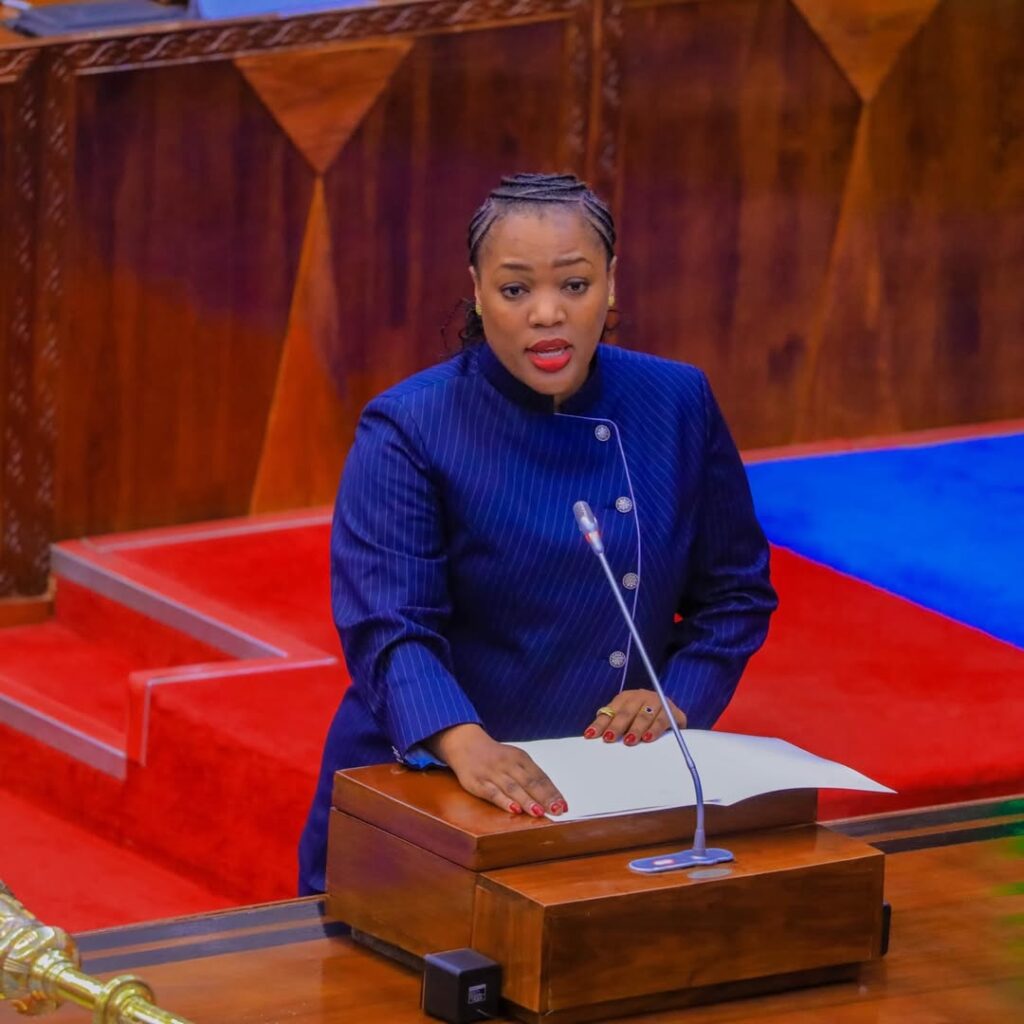
Deputy Minister for Energy, Salome Makamba, reaffirmed the government's commitment to renewable energy in a session of the National Assembly on Thursday, responding to a question from Mwera legislator Suleiman Mohamed Rashid (CCM) about plans to utilise the country’s vast solar and wind energy potential.
Makamba highlighted that the National Energy Policy of 2015 places significant emphasis on expanding renewable energy sources, particularly solar and wind, to diversify Tanzania’s energy mix and reduce dependency on a single source of power.
“The government is fully committed to accelerating renewable energy development, especially wind and solar, as a key strategy for meeting the growing electricity demand,” said Makamba, adding that such efforts are aimed at boosting the country’s energy resilience and supporting sustainable economic development.
The Deputy Minister provided an update on the government’s ongoing efforts, revealing that studies have already identified several key areas for wind and solar power generation. Prominent locations include Zuzu in Dodoma, Same in Kilimanjaro, and Manyoni in Singida. These areas are being developed in collaboration with the private sector, with projects at various stages of implementation.
Makamba also highlighted the progress of a major 150MW wind power project in Kishapu District, located in Shinyanga Region. Phase One of the project, which has already achieved 50MW of capacity, is nearing completion, and preparations to integrate this new power into the National Grid are underway.
Once fully operational, the project is expected to significantly boost Tanzania's power generation capacity, providing a vital contribution to the country's energy needs.
To support the growth of renewable energy, the government is finalising improvements to power purchase agreements (PPAs) in a bid to attract more private sector investment. Makamba stated that these reforms are designed to create a more favourable investment climate for renewable energy projects such as solar, wind, and geothermal.
“The improved PPAs will help speed up the implementation of clean energy projects by making it easier for investors to participate,” she explained. “This, in turn, will reduce energy production costs, increase the use of clean energy, and drive socio-economic development.”
In response to a supplementary question from Special Seats MP Ester Matiko (CCM) regarding rural electrification, Makamba provided an update on efforts to bring power to all villages and sub-villages across Tanzania.
As of January 2026, 2,032 out of 2,258 sub-villages in Kilimanjaro Region had already been electrified, amounting to 90% of the total. The remaining 226 sub-villages will be electrified through ongoing projects. Of these, 40 will be connected under Phase II A of the Village Electrification Project (HEP IIA), while 186 will be covered under Phase II B (HEP IIB).
Makamba assured the assembly that once these projects are completed, all 2,258 sub-villages in Kilimanjaro will have access to electricity. This is expected to catalyse economic growth, improve access to social services, and elevate the living standards of local residents.
The government’s renewed commitment to renewable energy comes at a time when Tanzania is focusing on increasing its power generation capacity and expanding its energy infrastructure to meet the needs of a growing population.
By tapping into solar and wind energy, the country is positioning itself to become a regional leader in clean, sustainable power generation while addressing critical challenges such as rural electrification and energy access.
· A 150MW wind power project in Kishapu District, Shinyanga Region, is under development, with Phase One (50MW) nearing completion and integration into the national grid underway.
· The government is finalising reforms to Power Purchase Agreements (PPAs) to improve bankability and attract greater private sector investment in renewable energy projects, including wind, solar and geothermal.
· Rural electrification efforts are ongoing under the Village Electrification Project (HEP II A and HEP II B phases).
Media Contact:
Information Services Department and Office of The Chief Government Spokesman
E-mail: maelezotv@gmail.com
Phone: +255 754 750 765; +255 754 698 856; +255 759 714; +255 713 381 904
Availability: EAT, UTC +3
ENDS