
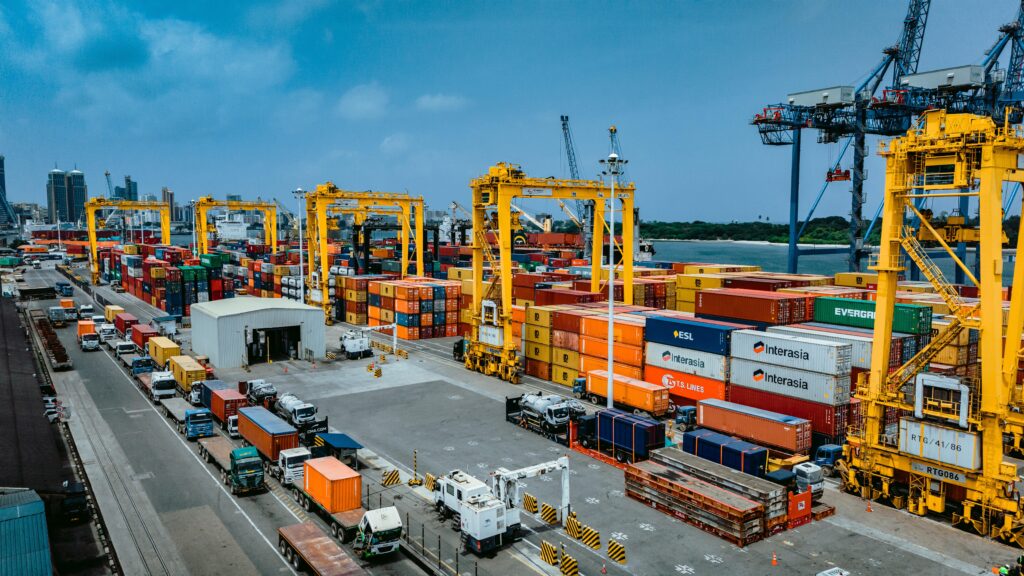
Data from the Tanzania Ports Authority (TPA) shows the port handled 13.97 million tonnes of cargo between July and November 2025, up from 10.4 million tonnes over the same period a year earlier. The 2024–25 financial year closed with a record 27.7 million tonnes handled, a 15% increase on the previous year.
The growth follows major infrastructure upgrades that are changing how goods move into and out of the region. Under the Dar es Salaam Maritime Gateway Project, the entrance channel and berths have been deepened to 14.5 metres, enabling larger vessels to dock with heavier loads.
As a result, average container vessel time in port has fallen from about 10 days to roughly three, a shift that reduces shipping costs, protects schedules and lowers exposure to storage and demurrage charges for cargo owners.
Bulk cargo operations have also expanded. Some grain vessels are now discharging up to 65,000 tonnes per call, compared with about 15,000 tonnes previously. While this strengthens national supply chains, it also accelerates the flow of cargo inland, increasing pressure on clearance and evacuation systems.
For TPA Director General Plasduce Mbossa, port performance must be measured across the entire logistics chain.
“A port succeeds when the whole chain moves,” Mbossa said. “Working a vessel fast helps, but the customer experiences the port through clearance and evacuation.”
Dar es Salaam now operates under a split terminal model. DP World manages berths 0 to 7, while Tanzania East Africa Gateway Terminal Limited operates berths 8 to 11. Public investment in cranes and digital systems supports the model, while performance-based contracts are designed to enforce consistency and productivity.
A key reform for shipping lines has been the introduction of fixed berthing windows, offering guaranteed slots and greater predictability. According to Mbossa, predictability is central to competitiveness, allowing importers, exporters and transporters to plan more effectively and reduce costs.
To ease congestion beyond the quay, TPA is expanding inland capacity through the Kwala Inland Container Depot, linked by rail. Covering 502 hectares, the depot is designed to handle around 3,500 containers per day and more than 300,000 annually, roughly 30% of Dar es Salaam’s container traffic.
“When cargo gets out quickly, everyone wins,” Mbossa said. “The ship is served faster; yards remain manageable and importers receive goods sooner.”
Looking ahead, TPA is targeting throughput of about 30 million tonnes by 2030, supported by plans for 10 additional berths, further automation and improved rail connectivity. Work is also ongoing with customs authorities and transport operators to ease hinterland bottlenecks.
The proposed Bagamoyo port remains a longer-term, complementary project, to be phased in alongside demand growth rather than introduced as a sudden expansion.
For now, Dar es Salaam’s transformation is visible in rising volumes, faster vessel turnaround and growing pressure on inland logistics. Whether the gains are sustained will depend on clearance and evacuation keeping pace with growth, a test that will shape trade across East Africa in the years ahead.
Notes to Editors
- Dar es Salaam is East Africa’s busiest port and a key gateway for regional trade.
- Infrastructure upgrades have significantly reduced vessel turnaround time.
- Inland logistics and clearance systems are critical to sustaining growth.
Media Contact:
Information Services Department and Office of The Chief Government Spokesman
E-mail: maelezotv@gmail.com
Phone: +255 754 750 765
Availability: EAT, UTC +3
ENDS