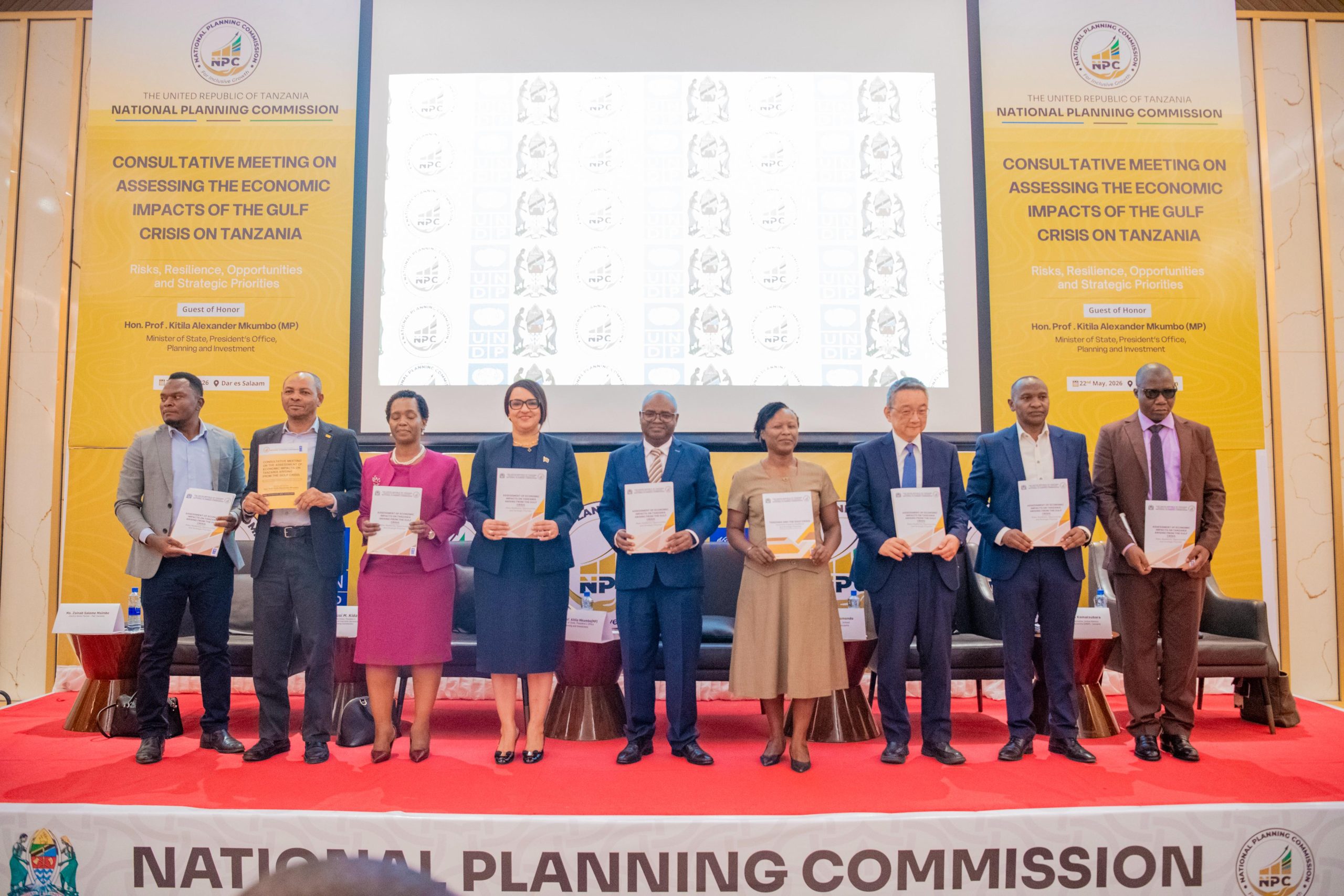
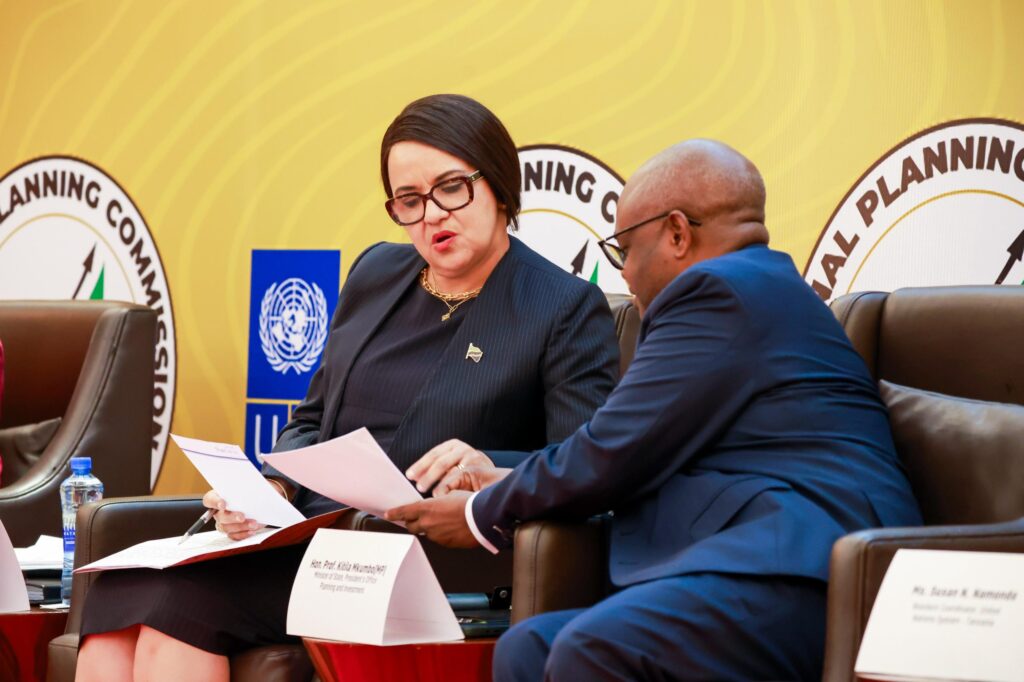
Minister of State in the President’s Office for Planning and Investment, Prof Kitila Mkumbo, said the government was implementing measures aimed at preventing fuel prices from rising sharply and placing additional pressure on citizens and the economy.
Speaking during a consultative meeting in Dar es Salaam, Mkumbo said the government, together with development partners and other stakeholders, was reviewing the economic implications of the ongoing Gulf crisis, particularly its effects on oil supply and prices.
The meeting examined an assessment prepared by Tanzania’s National Planning Commission outlining the likely consequences of the crisis on key sectors of the economy, including transport, food prices and fertilizer costs.
Mkumbo said the report also identified measures designed to strengthen Tanzania’s economic resilience and reduce exposure to external shocks. He added that projections indicated the country was unlikely to face major economic disruptions in 2026.
The minister said the crisis was also creating opportunities for African countries to increase investment in oil exploration, refining and value addition within the continent. He noted that many African countries continue to export crude oil abroad for processing despite having production capacity.
According to Mkumbo, Tanzania remains heavily dependent on oil imports from Saudi Arabia, the United Arab Emirates and other suppliers, highlighting the importance of diversifying trade and supply chains.
Permanent Secretary and National Planning Commission Executive Secretary Dr Tausi Kida said external shocks continue to threaten economic stability by increasing production costs, reducing fiscal space and affecting investment decisions.
UNDP Resident Representative Shigeki Komatsubara warned that geopolitical tensions were already contributing to fuel price increases, food insecurity and supply-chain disruptions worldwide, with low-income households and small businesses among the hardest hit.
UN Resident Coordinator Susan Namondo said recent global crises, including the war in Ukraine and the COVID-19 pandemic, had exposed the interconnected nature of the global economy and the growing vulnerability of countries to external shocks.
Notes to Editors
– The story is less about domestic fuel policy and more about Tanzania’s exposure to global commodity volatility.
– Government messaging attempts to reassure markets and consumers that major disruptions are unlikely in 2026.
– The fuel-import dependency on Gulf suppliers underscores structural energy vulnerability.
Media Contact:
Information Services Department and Office of The Chief Government Spokesman
E-mail: maelezotv@gmail.com
Phone: +255 754 750 765, +255 754 698 856, +255 759 714, +255 713 381 904
Availability: EAT, UTC +3