
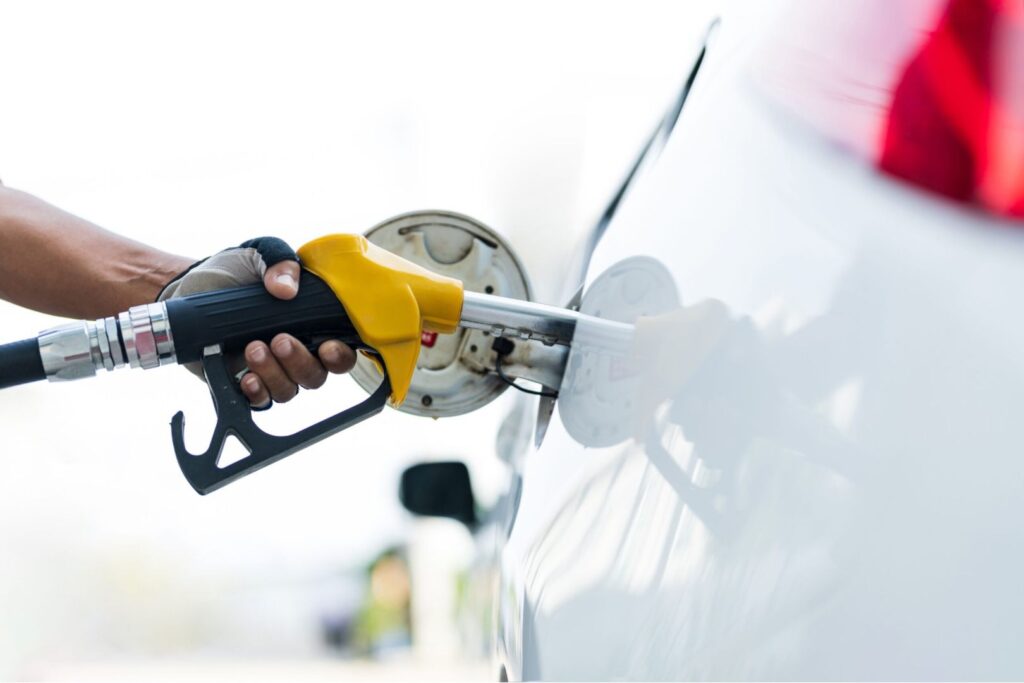
Under new price caps announced by the Energy and Water Utilities Regulatory Authority and effective from May 6, petrol prices in Dar es Salaam rose to 4,115 Tanzanian shillings (about $1.52) per litre, while diesel climbed to 4,248 shillings per litre.
The increases represent a sharp month-on-month rise of roughly 7.7 per cent for petrol and 11.6 per cent for diesel, reflecting broader turbulence in international energy markets.
To soften the impact, the Tanzanian government introduced a subsidy of 259 shillings per litre on diesel, a fuel widely used across East Africa’s freight, logistics, manufacturing and public transport sectors.
The move places Tanzania among a relatively small group of countries taking direct fiscal measures to cushion consumers from the latest global oil shock, analysts and industry players say.
The latest price increases follow heightened instability linked to the ongoing conflict involving the United States, Israel and Iran, which has disrupted oil production and refining infrastructure across the Middle East. The situation has been compounded by the closure of the Strait of Hormuz, the narrow maritime corridor through which roughly one-fifth of the world’s oil supply normally passes.
The disruption has driven up global crude prices, shipping insurance premiums and freight costs, with energy-importing economies across Africa now feeling the ripple effects.
Like several countries in the region, Tanzania relies heavily on imported petroleum products sourced from Gulf markets. EWURA said refined fuel prices in the Arab Gulf market rose significantly in April compared with February levels, while importation costs through the Port of Dar es Salaam also increased.
Despite the pressure, Tanzania continues to maintain comparatively moderate pump prices within East Africa, according to regional energy analysts.
In neighbouring countries such as Kenya and Uganda, fuel markets are also facing upward pressure amid rising import costs and currency volatility, while landlocked economies remain particularly exposed to higher transport and insurance charges.
Industry stakeholders say Tanzania’s early monthly pricing announcements often serve as a regional benchmark for market expectations across East and Central Africa.
Economist Dr Hildebrand Shayo said rising fuel costs risk feeding inflation across transport, food and manufacturing sectors, particularly affecting low-income households already facing elevated living costs.
“Fuel is a foundational economic input,” he said. “When diesel and petrol prices rise sharply, transport costs increase almost immediately, and that eventually affects food prices, business operations and household purchasing power.”
He said targeted subsidies and investment in alternative energy infrastructure could help reduce long-term vulnerability to external energy shocks.
Meanwhile, private sector players have praised the government’s intervention strategy.
Dr Sajad Habib Rai, Investment Manager at MOIL Energies
, said the diesel subsidy has helped stabilise transport and logistics operations despite severe international market disruptions.
“Not every country has stepped in with mitigation measures during this crisis,” he said. “Tanzania’s response has helped reduce pressure on transport operators and consumers while ensuring continued market stability.”
He added that cooperation between regulators and fuel importers has helped maintain supply flows and avoid major shortages despite heightened global uncertainty.
Regional economists note that East African governments are increasingly balancing fiscal discipline with pressure to protect consumers from imported inflation, particularly as energy costs remain closely tied to geopolitical developments beyond the continent’s control.
For Tanzania, the latest intervention highlights the challenge facing many emerging economies: managing global volatility while sustaining economic growth and protecting household purchasing power.
Notes to Editors
– Tanzania’s Energy and Water Utilities Regulatory Authority (EWURA) implemented new fuel price caps effective May 6, with petrol at 4,115 Tanzanian shillings per litre and diesel at 4,248 shillings per litre.
– The government introduced a targeted diesel subsidy of 259 shillings per litre to cushion consumers and businesses from escalating global fuel prices.
– Diesel is a critical input across East Africa’s freight, logistics, manufacturing, agriculture and public transport sectors, making price stability economically significant.Media Contact:
Information Services Department and Office of The Chief Government Spokesman
E-mail: maelezotv@gmail.com
Phone: +255 754 750 765, +255 754 698 856, +255 759 714, +255 713 381 904
Availability: EAT, UTC +3