
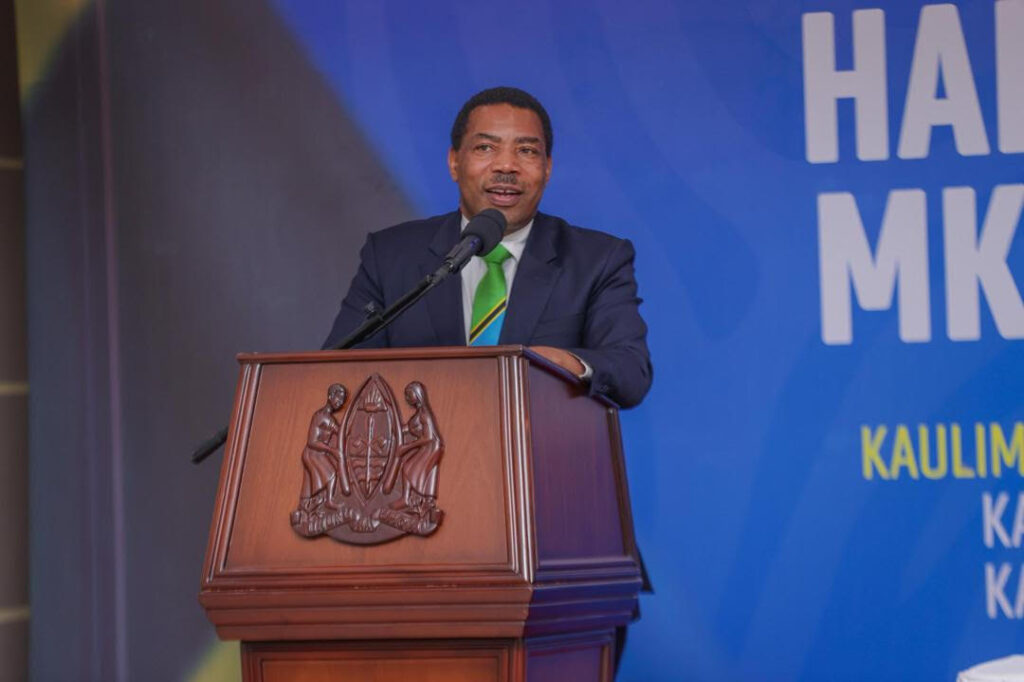
Nchemba said authorities are holding daily consultations with industry stakeholders to ensure fuel availability and limit knock-on effects on transport and commodity prices.
He did not outline specific interventions but said the government was assessing “appropriate and sustainable measures” as the situation evolves.
The East African nation, which relies heavily on imported petroleum, is exposed to global oil price volatility. Recent tensions involving the United States, Israel and Iran have disrupted supply chains and raised concerns over shipping routes such as the Strait of Hormuz, a critical artery for global oil flows.
President Samia Suluhu Hassan has ordered government-wide fuel-saving measures, including reducing official travel and consolidating transport for public officials, as part of efforts to manage consumption.
She also warned traders against raising prices for goods already in stock, while acknowledging that newly imported products could become more expensive due to higher transport costs.
Tanzania’s fuel prices remain relatively lower than in some neighbouring countries, according to the government, but authorities have urged calm, describing the situation as part of a broader global energy shock rather than a domestic policy issue.
Across sub-Saharan Africa, higher oil prices have begun feeding into inflation, particularly through transport and food costs, complicating recovery efforts in economies already facing currency pressures and rising import bills.
Governments in the region are likely to balance subsidies, tax adjustments and demand-management measures to contain the impact while protecting fiscal stability.
Notes to Editors
· The Government of Tanzania is monitoring global fuel market developments and preparing measures to cushion consumers and businesses from rising prices.
· Mwigulu Nchemba said authorities are holding daily consultations with industry stakeholders to ensure fuel supply stability and limit inflationary spillovers.
· The country relies heavily on imported petroleum, making it vulnerable to global oil price volatility driven by geopolitical tensions.
Media Contact:
Information Services Department and Office of The Chief Government Spokesman
E-mail: maelezotv@gmail.com
Phone: +255 754 750 765; +255 754 698 856; +255 759 714; +255 713 381 904
Availability: EAT, UTC +3
ENDS