
The swearing-in of Samia Suluhu Hassan on November 3, 2025, in Dodoma marked more than a constitutional transition. It represented a pivotal moment for the country one defined not only by continuity of leadership, but by a sober national mood shaped by recent developments.
While the ceremony upheld democratic tradition, it unfolded in a reflective atmosphere, as citizens across the country absorbed the significance of preceding events. The moment highlighted Tanzania’s capacity to pause, assess, and respond with measured intent.
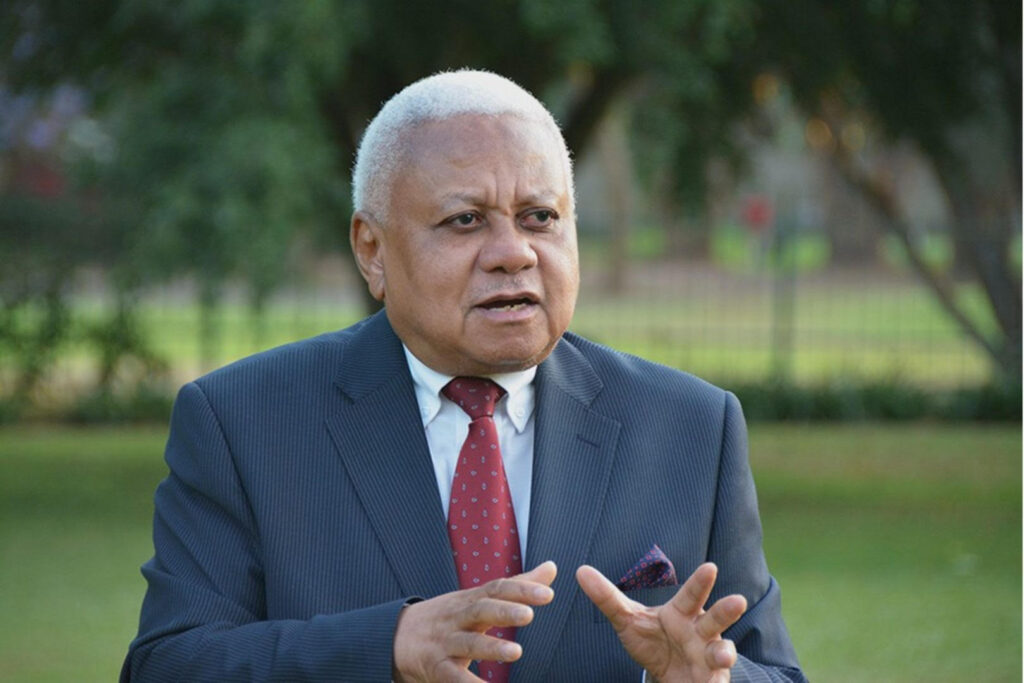
In recognition of the circumstances, President Samia announced the formation of a Commission of Inquiry immediately after taking the oath of office. The Commission, formally established on November 20, 2025, was mandated to investigate the incidents that occurred during and after the election period.
Chaired by retired Chief Justice Mohamed Chande Othman, the Commission was tasked with examining the root causes of the unrest, identifying actors and motivations, and assessing the full scope of impact including loss of life, injuries, and damage to property and infrastructure, as well as broader social and economic consequences.
Its mandate further includes reviewing the effectiveness of existing systems in detecting and preventing such incidents, and recommending measures to strengthen cooperation between institutions and citizens in upholding peace, rule of law, human rights, and good governance. It is also expected to propose a framework for inclusive national dialogue and reconciliation aimed at preventing future occurrences.
The establishment of the Commission signalled an early and structured response by the government one aligned with international best practice, where nations confronted with complex challenges turn to independent inquiries to establish facts, promote accountability, and guide reform.
Globally, such processes are widely recognised as instruments of institutional maturity. Tanzania’s approach anchored in appointing experienced and credible leadership reflects an understanding that transparency and reflection are essential to strengthening governance.
The events of late October revealed the complexity of balancing fundamental rights within a dynamic democratic environment. In some instances, competing rights intersected: the right to assemble met the imperative of public order; freedom of expression intersected with national security considerations; and access to information was tested against broader stability concerns.
These tensions were not theoretical—they played out in real time, affecting livelihoods, mobility, and access to essential services.
Across several regions, including Dar es Salaam, Arusha, Mwanza, and Mbeya, disruptions were reported, ranging from damage to infrastructure to interruptions in transport and trade. Businesses temporarily closed, supply chains were affected, and some essential services experienced strain.
Individual accounts reflected the human dimension of these disruptions. Residents described limited mobility, increased transport costs, and restricted access to goods and services. In some areas, market closures and supply shortages led to price fluctuations, placing additional pressure on households.
Transport networks were particularly impacted, with delays affecting the movement of goods, including perishable produce from key agricultural regions. Financial services infrastructure also experienced disruption, while some public transport assets were damaged.
These experiences, while varied, converge on a common sentiment: a broad national desire to ensure such a situation does not recur.
Public discourse since November 2025 has increasingly reflected this shared resolve. While perspectives may differ across society, there is a clear consensus around the importance of safeguarding peace, stability, and continuity.
Attention is now turning to the anticipated findings of the Commission, expected to be released in the coming period. The report is likely to provide a comprehensive account of events and propose actionable recommendations.
As with similar processes globally, its reception will be critical. Experience elsewhere suggests that inquiry findings can attract varied interpretations. However, constructive engagement grounded in good faith will be essential to ensuring that the process contributes meaningfully to national cohesion and reform.
Tanzania’s historical trajectory offers a strong foundation for this phase. The country has long been recognised for its emphasis on unity, dialogue, and peaceful coexistence principles shaped by successive leadership, including Julius Nyerere, Ali Hassan Mwinyi, Benjamin Mkapa, and Jakaya Kikwete.
This legacy has continued to inform the country’s response to contemporary challenges. Observers have noted the relatively swift return to normalcy following the inauguration, reflecting a collective commitment to stability and continuity.
Looking ahead, the focus shifts to constructive engagement and inclusive dialogue. The objective is not to eliminate differences an inherent feature of any dynamic society but to address them through structured and peaceful means.
Reconciliation, in this context, is understood as a forward-looking process: one that creates space for dialogue, acknowledges diverse perspectives, and reinforces shared national priorities.
This phase calls for sustained commitment from both institutions and citizens. While formal mechanisms will provide direction, the broader national response will shape outcomes.
The forthcoming report is expected to clarify the past. The opportunity ahead lies in how its insights are applied toward strengthening governance, reinforcing social cohesion, and supporting economic recovery and investor confidence.
Tanzania now stands at a defining juncture one that presents not only challenges, but a clear opportunity to reaffirm its values, consolidate stability, and advance with renewed purpose.
Notes to Editors
· The Government of Tanzania established a Commission of Inquiry following the events surrounding the October 29, 2025 General Election as part of efforts to promote accountability, stability and national cohesion.
· The Commission, formed on November 20, 2025, is chaired by Mohamed Chande Othman, a retired Chief Justice of Tanzania.
· Its mandate includes investigating the causes and impact of the unrest, assessing institutional responses, and recommending measures to strengthen peace, governance, human rights and the rule of law.
Media Contact:
Information Services Department and Office of The Chief Government Spokesman
E-mail: maelezotv@gmail.com
Phone: +255 754 750 765; +255 754 698 856; +255 759 714; +255 713 381 904
Availability: EAT, UTC +3
ENDS