
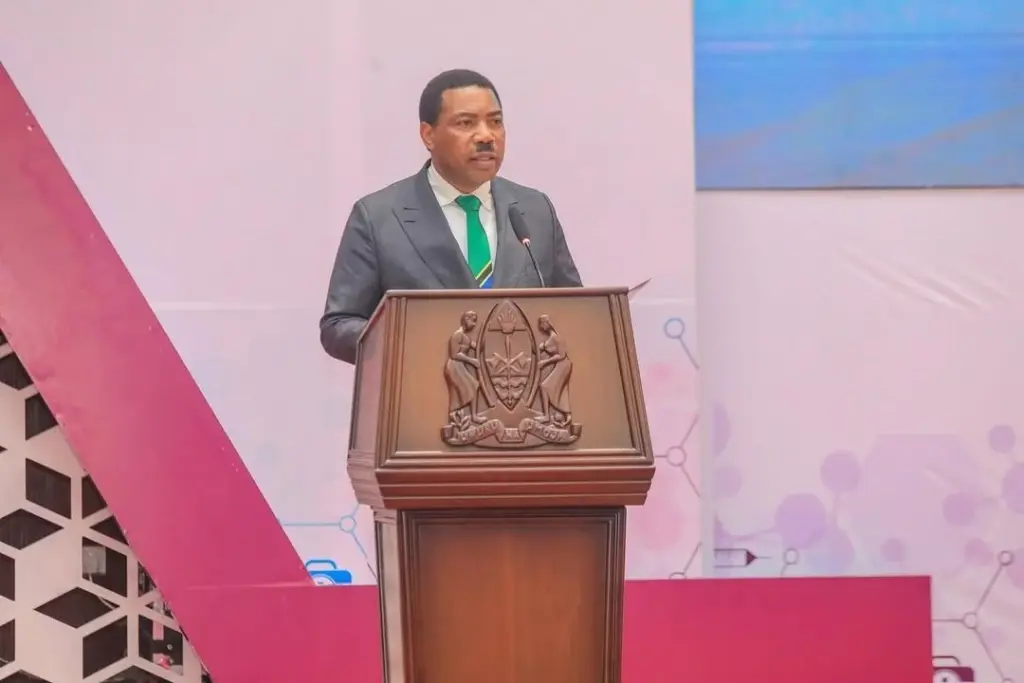
[PRESSWIRE] DAR ES SALAAM, Tanzania – 2026-02-13 — African countries must strengthen cooperation in research, early screening and vaccination to confront the continent’s growing cancer burden, Tanzania’s Prime Minister Mwigulu Nchemba said, warning that no single nation can address the challenge alone.
Speaking at the 30th anniversary of the Ocean Road Cancer Institute (ORCI) in Dar es Salaam, Nchemba said coordinated continental action was essential to expand prevention, treatment and expertise.
He represented Tanzania’s President Samia Suluhu Hassan at the event, which brought together regional health officials, policymakers and medical specialists.
“To succeed in the fight against cancer, we must strengthen regional and continental cooperation in research, training, exchange of experts, and the sharing of resources, technology and experience,” Nchemba said.
He said Tanzania was ready to work with other African nations and position the Ocean Road Cancer Institute as a regional hub for cancer treatment, training and collaboration.
Cancer cases in Africa are rising, reflecting population growth, ageing and limited access to early detection and treatment.
The World Health Organisation has projected that cancer incidence on the continent could increase sharply in the coming years, placing additional strain on health systems.
Nchemba urged health authorities to strengthen national prevention strategies, including expanding screening programmes and vaccination efforts.
He said early detection services for cervical, breast, prostate and colorectal cancers were being expanded to primary healthcare facilities as part of broader reforms to improve access to care.
Health Minister Mohamed Mchengerwa said tackling cancer required a coordinated national and regional response, describing access to healthcare as fundamental to social and economic stability.
“The fight against cancer is a national agenda, not a burden for one individual,” he said, adding that improvements in healthcare delivery had expanded access to treatment services across the country.
The Ocean Road Cancer Institute, established in 1996, has grown into one of East Africa’s leading oncology centres.
Executive Director Diwani Msemo said patient numbers had increased significantly over the past three decades, reflecting both expanded services and rising demand for cancer care.
The institute now treats about 57,000 patients annually, up from around 10,000 in its early years, and employs about 500 staff. It operates multiple radiotherapy and diagnostic machines, including CT and PET scanning equipment, and has trained dozens of oncology specialists.
Msemo said the institute had become a regional referral centre and was contributing to international research, producing scientific publications that support cancer policy and treatment strategies.
He added that investment in cancer care infrastructure and training had accelerated in recent years, strengthening the institute’s capacity to deliver advanced treatment and support regional collaboration.
Chief Medical Officer Grace Magembe said the institute aimed to develop into a regional centre of excellence focused on oncology research, precision medicine and specialist training.
“Our future is not just about buildings and machines, but about knowledge, systems, people and partnerships,” she said.
Health experts say expanding regional cooperation, improving early detection and increasing investment in treatment capacity will be critical to addressing Africa’s growing cancer burden and improving survival rates across the continent.
Tanzania’s Prime MinisterMwigulu Nchembarepresented PresidentSamia Suluhu Hassanat the event and called for strengthened African cooperation in cancer research, screening, vaccination and specialist training.Media Contact:Information Services Department and Office of The Chief Government Spokesman E-mail: maelezotv@gmail.comPhone: +255 754 750 765; +255 754 698 856; +255 759 714; +255 713 381 904Availability: EAT, UTC +3