
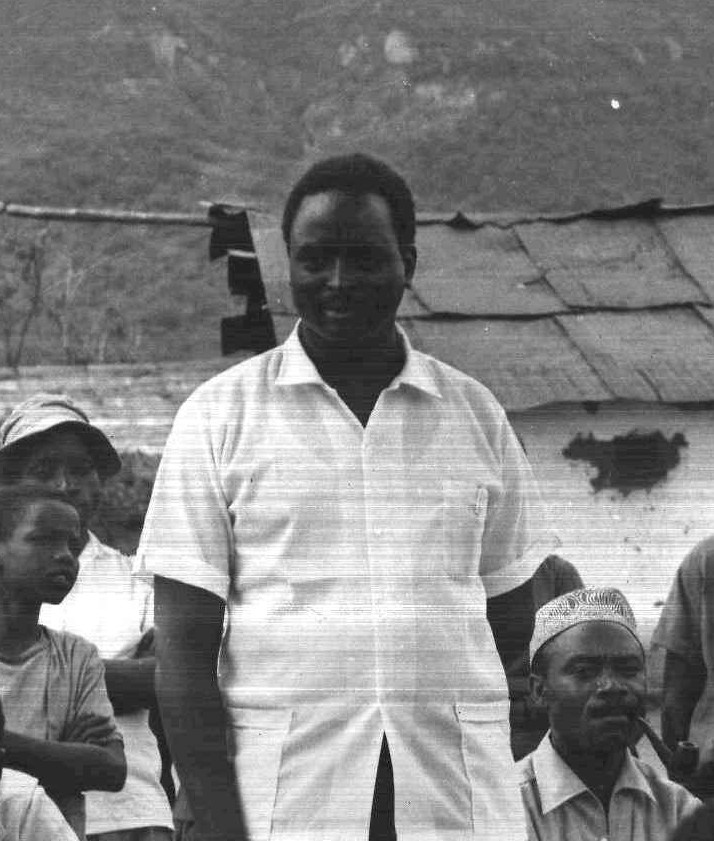
Sokoine died in a road accident on April 12, 1984, in Dumila, Morogoro Region, bringing to a close a defining chapter in the country’s political history. Yet his influence endures, rooted in a philosophy that placed accountability, equity and the public good at the centre of governance.
He served during a formative period under founding president Julius Nyerere, aligning closely with the principles of the Arusha Declaration and ujamaa, which emphasised equality, shared prosperity and moral responsibility in public life. Within this framework, Sokoine was widely regarded as a strong advocate for equitable access to national resources.
Historically, he is best remembered for his firm stance against economic sabotage and corruption, particularly during a period of economic difficulty. His campaigns against hoarding, black-market trading and misuse of public resources were seen as part of a broader effort to promote discipline and fairness across society.
At commemorations in Monduli District, speakers revisited these themes, presenting Sokoine as both a historical figure and an enduring symbol of ethical leadership. Religious leaders highlighted his emphasis on humility, compassion and collective responsibility, reinforcing the link he drew between governance and moral integrity.
Sokoine’s legacy also extends to rural development and community empowerment. His “agriculture is life” philosophy underpinned efforts to boost productivity and strengthen self-reliance, particularly among smallholder farmers and pastoralist communities.
Local examples, such as the Elwai water dam in Monduli Juu, were cited as evidence of the tangible impact of his policies. However, concerns over the sustainability of such projects and ongoing land conflicts point to broader challenges in maintaining equitable resource management over time.
Officials attending the commemoration, including district and national leaders, noted that issues such as land disputes and access to education, especially for pastoralist communities, remain key policy concerns. Their remarks underscored the need to translate Sokoine’s ideals into practical and sustained governance efforts.
As Tanzania navigates evolving economic and social pressures, Sokoine’s legacy continues to serve as both a historical benchmark and a guiding reference, highlighting the importance of fairness, integrity and shared national purpose in achieving sustainable development.
Media Contact:
Information Services Department and Office of The Chief Government Spokesman
E-mail: maelezotv@gmail.com
Phone: +255 754 750 765; +255 754 698 856; +255 759 714; +255 713 381 904
Availability: EAT, UTC +3