[PRESSWIRE] Iringa, Tanzania – 2026-02-13 — In the heart of central Tanzania lies one of Africa’s most remarkable yet under-explored wildlife destinations — Ruaha National Park.
Vast, wild, and deeply authentic, Ruaha offers travellers a rare chance to experience safari in its purest form, far from the crowds that define many of the continent’s better-known parks.
Covering approximately 20,226 square kilometres, Ruaha is Tanzania’s second-largest national park, stretching across a dramatic landscape of rolling savannah, ancient baobab forests, and the life-giving Great Ruaha River.
Located about 130 kilometres west of Iringa, the park forms part of southern Tanzania’s remote wilderness circuit, a region prized by seasoned travellers seeking solitude and raw natural beauty.
Ruaha’s story stretches back more than a century. First established as a game reserve in 1910, it was officially designated a national park in 1964. Since then, it has played a central role in Tanzania’s conservation network, helping protect one of East Africa’s most important ecosystems.
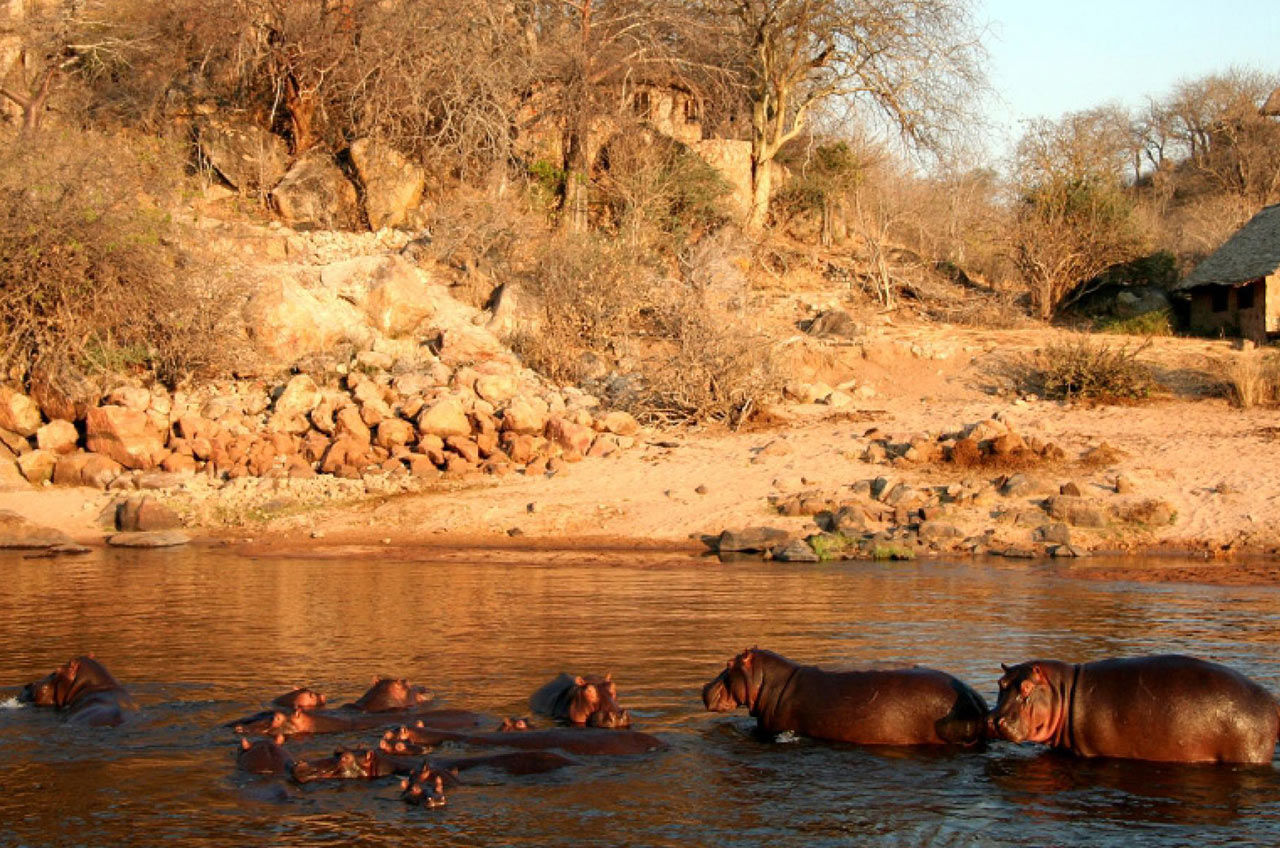
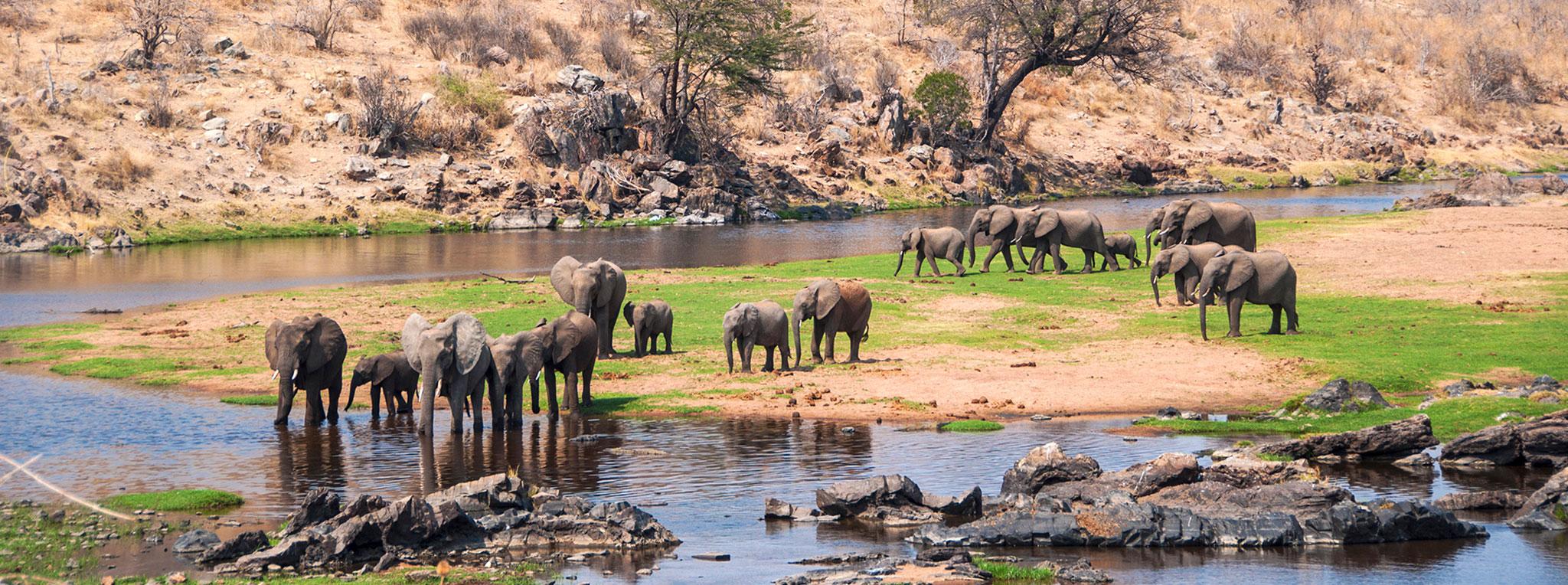
What makes Ruaha exceptional is not only its scale, but its extraordinary biodiversity. The park supports a remarkable variety of wildlife, including some of Africa’s most iconic species. Large elephant herds roam freely across its plains, while lions, leopards, buffalo and giraffes thrive in its varied habitats. Ruaha is also renowned for its significant populations of African wild dogs — one of the continent’s most endangered predators — as well as the striking sable antelope, admired for its elegant curved horns and elusive nature.
Seasonal wildlife movements further enrich the experience. Wildebeest, zebras and gazelles migrate through parts of the park, creating dynamic wildlife spectacles that reward patient observers. Unlike more crowded safari destinations, Ruaha allows visitors to witness these scenes in near solitude, often without encountering another vehicle for hours.
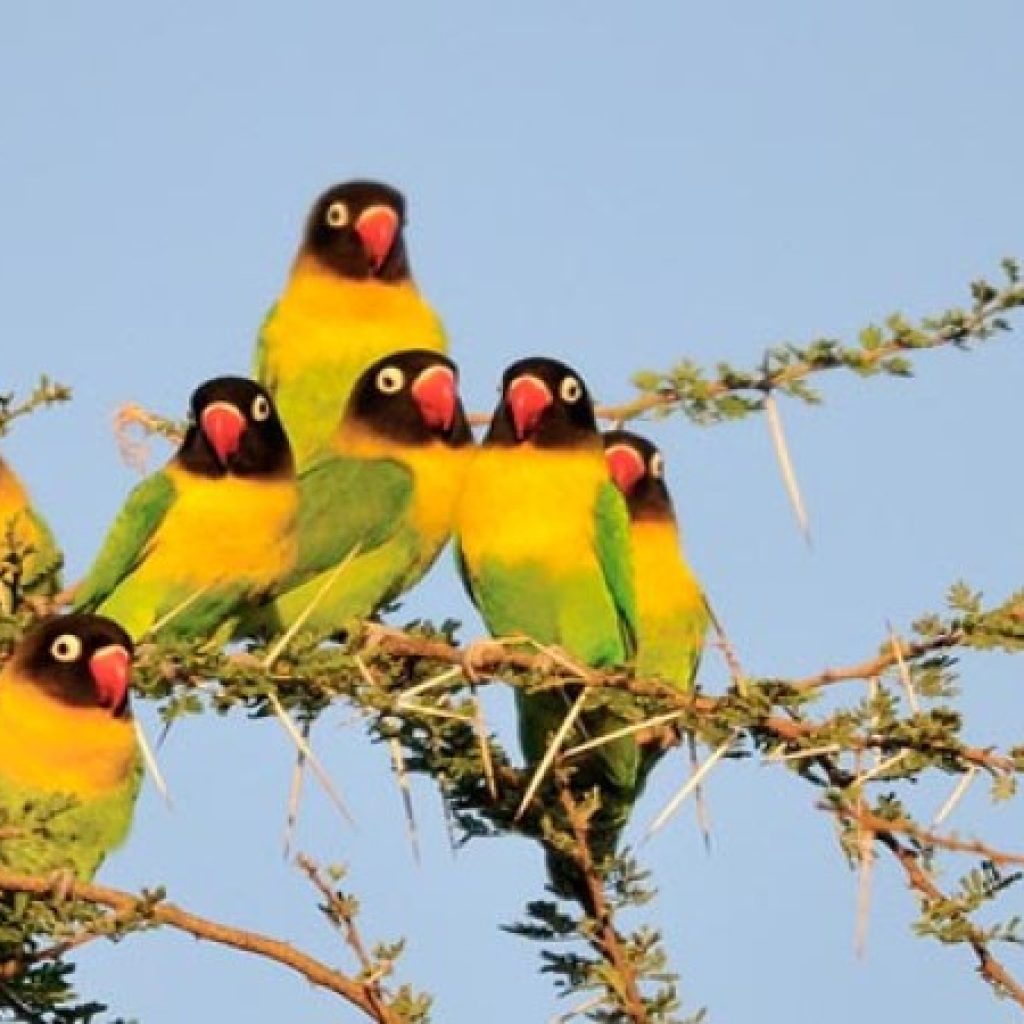
Beyond its mammals, Ruaha is a paradise for bird lovers. The park hosts more than 570 bird species, making it one of East Africa’s most important avian habitats. Resident species include the colourful violet-crested turaco, the distinctive pale-billed hornbill, and the endemic ashy starling and yellow-collared lovebird. Birds of prey are particularly impressive, with martial eagles, snake eagles, bateleurs and Pel’s fishing owl frequently seen soaring above rivers and woodland.
Twice a year, Ruaha also welcomes migratory visitors from Eurasia. Between October and November, and again from March to April, species such as the sooty falcon and Eleonora’s falcon arrive from breeding grounds in the Sahara, the Middle East and the Mediterranean, adding a global dimension to the park’s birdlife.
Ruaha’s plant life is equally diverse, with more than 1,600 species recorded, some found nowhere else on Earth. Towering baobab trees — some centuries old — dominate the landscape, creating a timeless atmosphere that feels untouched by modern life.
Importantly, Ruaha forms part of a vast conservation corridor connected to other protected areas in southern Tanzania, including the Selous ecosystem. This uninterrupted wilderness allows animals to move freely across large distances, supporting healthy populations and strengthening long-term conservation efforts.
For visitors, Ruaha offers a range of immersive safari experiences. Game drives reveal dramatic predator-prey encounters, while guided walking safaris provide a deeper connection to the landscape, allowing travellers to appreciate the smaller details often missed from a vehicle. Birdwatching, photography, and quiet observation along the riverbanks are equally rewarding.
Yet perhaps Ruaha’s greatest appeal lies in its sense of remoteness. Here, nature unfolds at its own pace. There are no crowds, no rush — only the rhythm of the wild.
For those seeking an authentic African safari, Ruaha National Park remains one of the continent’s last great hidden gems — vast, untamed, and unforgettable.
Media Contact:Information Services Department and Office of The Chief Government Spokesman E-mail: maelezotv@gmail.comPhone: +255 754 750 765; +255 754 698 856; +255 759 714; +255 713 381 904Availability: EAT, UTC +3