
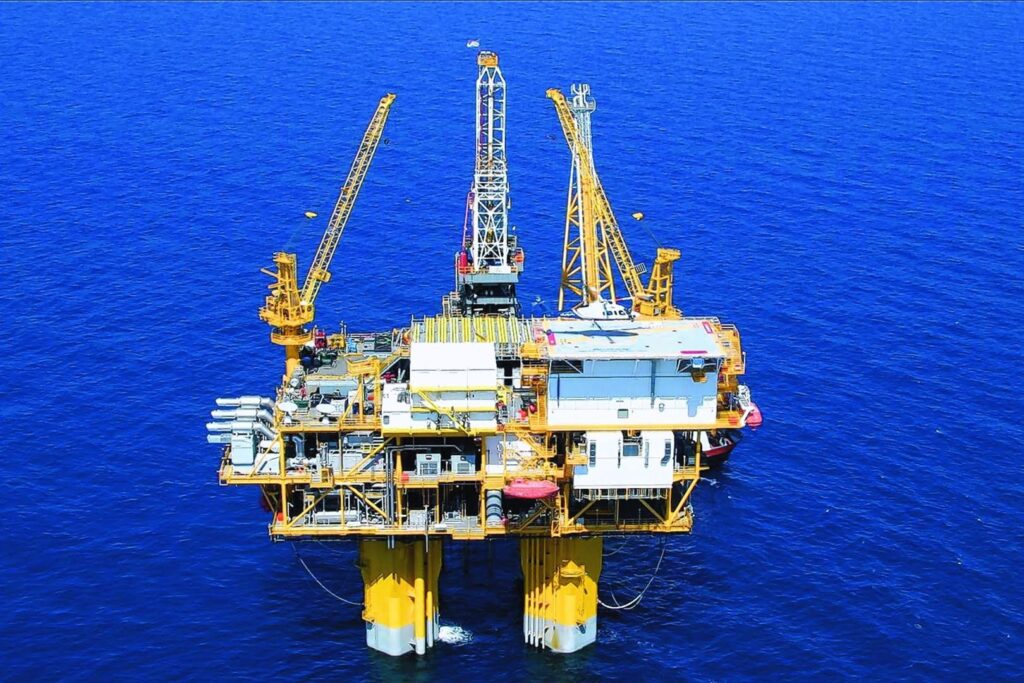
The reforms, combined with the nation’s massive natural gas reserves and growing infrastructure, offer U.S. investors significant opportunities for long-term growth and engagement, particularly in the natural gas and liquefied natural gas (LNG) sectors.
With proven natural gas reserves of 57.5 trillion cubic feet (TCF), Tanzania ranks among Africa’s top gas holders, on par with energy giants such as Mozambique, Senegal, and Egypt.
Since the mid-2000s, major discoveries at sites including Songo Songo, Mnazi Bay, and the Ruvu Basin have anchored Tanzania’s emerging gas economy. These reserves not only bolster the country’s domestic energy security but also position it as a strategic player on the global energy stage.
Historically, state dominance and regulatory uncertainty hindered the growth of Tanzania’s energy sector. However, recent policy shifts signal a clear pivot toward deeper engagement with both domestic and international private investors.
This new direction opens substantial opportunities for U.S. companies eager to capitalize on rising global energy demand.
The United States remains one of the world’s largest consumers of oil and natural gas. The U.S. Energy Information Administration (EIA) reports that in 2023 the country consumed approximately 100 million barrels of oil per day and 90 billion cubic feet of natural gas daily.
As the global energy transition moves toward cleaner fuels, demand for natural gas is expected to rise—particularly for liquefied natural gas (LNG)—aligning closely with U.S. interests in securing stable and diversified energy sources.
In this context, Tanzania’s vast natural gas reserves present a compelling opportunity for U.S. investors seeking to diversify their energy portfolios. As natural gas is increasingly viewed as a “bridge fuel” in the transition to cleaner energy, Tanzania’s expanding LNG sector offers a strong fit for U.S. firms serving both domestic and international markets.
Tanzania’s LNG sector has already attracted considerable U.S. interest, led by ExxonMobil. In 2020, ExxonMobil and the Tanzania Petroleum Development Corporation (TPDC) entered into a joint venture to develop an LNG export facility along Tanzania’s southern coast in the Lindi and Mtwara regions. The project is designed to monetize Tanzania’s offshore gas reserves and position the country as a major LNG supplier globally.
In 2023, ExxonMobil further reinforced its commitment by signing a Memorandum of Understanding (MoU) with the Tanzanian government to advance the LNG export project. The agreement reflects a broader long-term strategy for U.S.–Tanzania energy cooperation, bringing decades of LNG expertise and significant capital investment into Tanzania’s energy infrastructure.
The LNG export project is expected to play a pivotal role in meeting global energy demand, particularly in Asia and Europe, while offering U.S. investors valuable access to Tanzania’s expanding energy market. According to the U.S. Department of Energy, LNG will remain a critical component of the future energy mix, further enhancing Tanzania’s attractiveness to American energy companies.
Beyond ExxonMobil, other major U.S. players—including Chevron and Halliburton—have invested heavily in East Africa, with a strong focus on gas exploration and LNG development.
Tanzania’s energy reform agenda, guided by the Petroleum Act of 2015, is designed to foster an open, transparent, and investor-friendly environment. The Act established a structured framework separating policy oversight, regulation, and commercial participation. Under this system, policy oversight resides with the Ministry of Energy, upstream regulation and licensing are managed by the Petroleum Upstream Regulatory Authority (PURA), and national commercial participation is handled by TPDC.
Since 2021, Tanzania has accelerated regulatory reforms aimed at attracting investment while safeguarding national interests. Key measures include streamlined licensing procedures, greater transparency in block allocation, and the modernization of Production Sharing Agreements (PSAs) to align fiscal terms with regional peers.
A major milestone came in 2025 with the announcement of Tanzania’s fifth oil and gas licensing round, offering 26 exploration blocks to private companies. This represents one of the country’s largest upstream openings in more than a decade and underscores Tanzania’s commitment to improving its investment climate.
U.S. energy companies such as ExxonMobil, Chevron, and ConocoPhillips are already active across East Africa, and the latest reforms present expanded opportunities to explore Tanzania’s untapped reserves.
Another significant step in strengthening U.S.–Tanzania energy cooperation was a recent meeting between Tanzanian President Dr. Samia Suluhu Hassan and Mr. Andrew Lentz, Chargé d’Affaires ad interim at the U.S. Embassy in Dar es Salaam. Discussions focused on advancing key bilateral projects, notably the LNG and Tembo Nickel projects, both of which are nearing completion and expected to deliver substantial benefits to both nations.
The LNG project—valued at approximately USD 42 billion—is set to unlock Tanzania’s offshore gas reserves, generate thousands of jobs, and establish the country as a global LNG player. President Samia reaffirmed Tanzania’s commitment to partnerships that respect national sovereignty, emphasizing that these strategic investments will drive economic growth and long-term prosperity.
The talks highlighted the growing importance of private-sector-led projects and the strong alignment between U.S. and Tanzanian economic interests.
In addition to energy investments, the Mahenge Graphite Project, valued at USD 300 million, is expected to strengthen Tanzania’s role as a leading supplier of high-grade graphite—a critical material for battery storage and renewable energy technologies.
Officials in both Dodoma and Washington noted that more than 400 U.S. companies currently operate in Tanzania, reflecting the country’s stability and openness to foreign investment. Firms such as ExxonMobil, General Electric (GE), and Halliburton have played leading roles in offshore gas exploration, LNG development, and power generation.
Tanzania’s participation in the Power Africa Initiative further demonstrates its commitment to expanding electricity access across sub-Saharan Africa, with U.S. companies contributing significantly to these efforts. The U.S.–Tanzania partnership also extends beyond energy, encompassing regional security, economic reform, and health-sector cooperation.
Data access and exploration momentum
To further improve the investment environment, PURA launched the National Petroleum Data Repository in 2024. The system provides investors with access to seismic, well, and geophysical data, reducing exploration risk and accelerating decision-making. U.S. companies, including Chevron and ExxonMobil, stand to benefit as exploration activity intensifies.
Tanzania’s growing natural gas market
Tanzania’s natural gas production is projected to rise sharply, with output expected to exceed 301 billion standard cubic feet between March 2021 and March 2025. This growth, supported by ongoing reforms and investment, is set to consolidate Tanzania’s role in the global gas market.
Government audits of PSAs have already saved more than TZS 340 billion (USD 134.64 million), strengthening fiscal accountability and ensuring efficient resource management. Meanwhile, the Ntorya Gas Project—led by ARA Petroleum Tanzania and Aminex—is expected to deliver first gas by 2026, reinforcing Tanzania’s commitment to expanding domestic supply.
Tanzania is rapidly emerging as a long-term energy investment destination, combining vast natural gas reserves, a transparent regulatory framework, and expanding infrastructure. With flagship projects such as the LNG export terminal, Tembo Nickel, and Mahenge Graphite advancing toward completion, the country is well positioned to become a central player in the global energy landscape.
The evolving regulatory environment, strategic location, and untapped potential of Tanzania’s energy sector present exceptional growth opportunities for U.S. investors.
Notes to Editors
• This story examines Tanzania’s oil and gas sector reforms, with a focus on opportunities for U.S. investors in natural gas and LNG.
• It highlights Tanzania’s regulatory transformation under the Petroleum Act of 2015, moving from state-dominated control to a clear separation of policy, regulation, and commercial participation.
• The article positions Tanzania as a strategic LNG supplier amid the global energy transition, where natural gas is increasingly viewed as a bridge fuel.
Media Contact:
Information Services Department and Office of the Chief Government Spokesman
Email: maelezotv@gmail.com
Phone: +255 754 750 765, +255 754 698 856, +255 759 714, +255 713 381 904
Availability: EAT (UTC +3)
ENDS