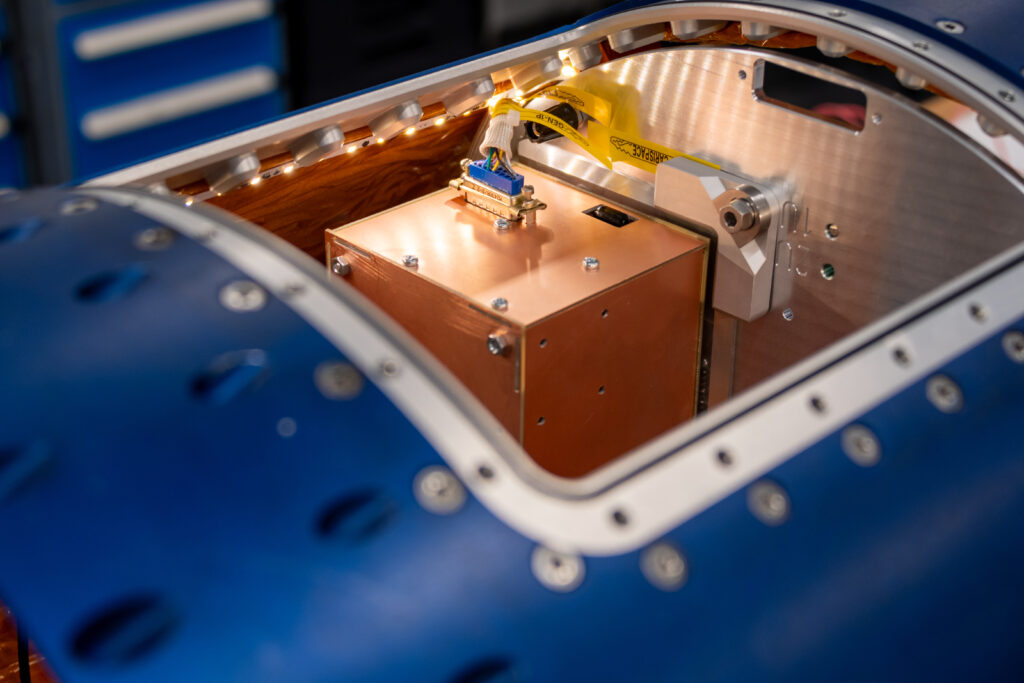
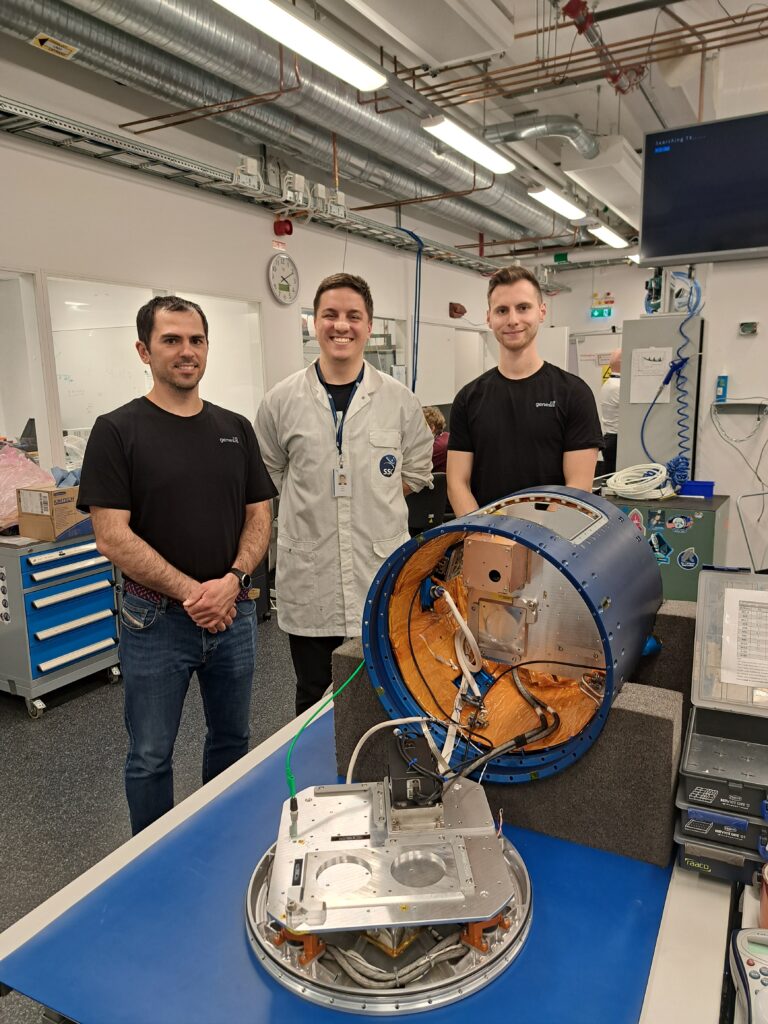
The G-1 flight will support microgravity research and technology validation. It includes two active payloads to be tested in space:
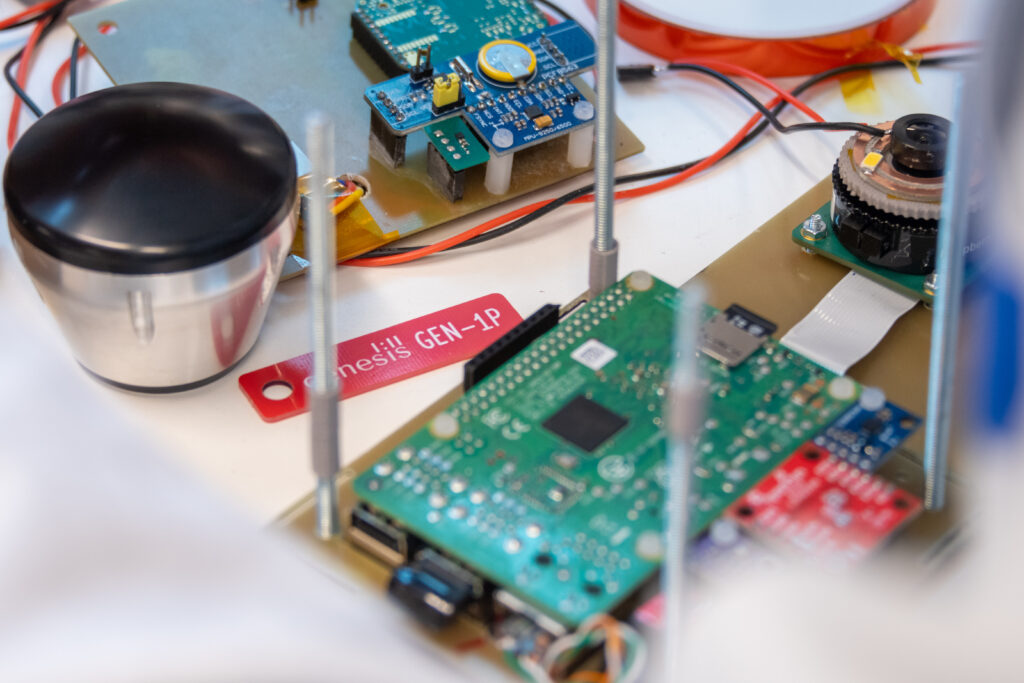
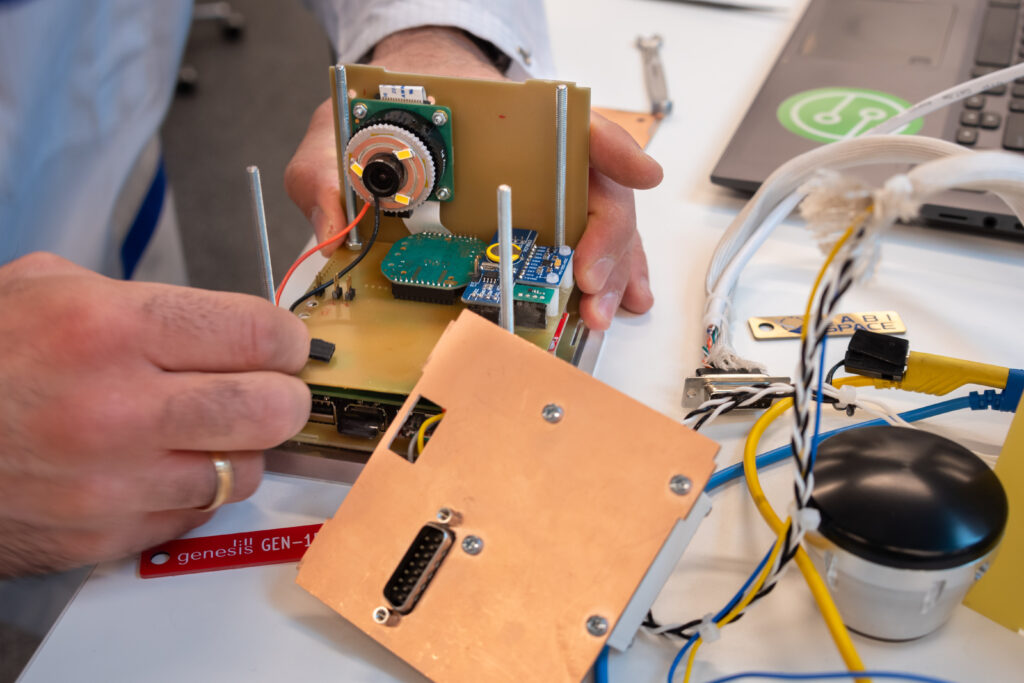
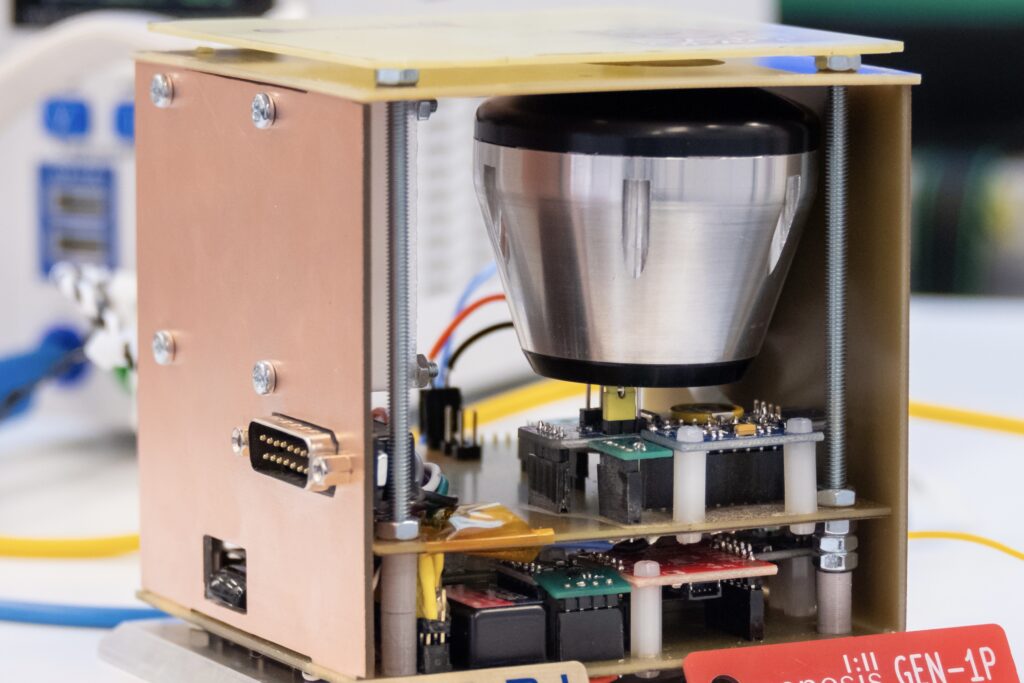
- the GEN-1 Microgravity Research Rideshare Module, equipped with 25 near-infrared (NIR) sensors to monitor microbiological samples, and
- the GEN-2 Microgravity Insect Habitat, carrying fruit flies commonly used in genetic research, including in previous NASA missions aboard the International Space Station.
A third payload, the GEN-3 Passive Sample Holder, will carry a small number of passive samples for customers.
The capsule will ride aboard Suborbital Express-5, a sounding rocket mission by SSC Space (formerly known as the Swedish Space Corporation), set for launch from the Esrange Space Center in Sweden. The mission is expected to reach an apogee of about 260 kilometers and provide more than six minutes of high-quality microgravity.
The mission will also test GEN subsystem performance during hypersonic reentry at approximately Mach 7. Payload recovery is planned following the flight.
Following suborbital test missions, the company plans to proceed with orbital reentry flights.
ABOUT GENESIS
Genesis Space Flight Laboratories, founded in June 2025 in Čakovec, Croatia, develops reentry technologies for scientific and commercial applications. The company launched its first biological incubator payload, MAYASAT-1, on SpaceX’s Transporter-14 rideshare mission and has secured seed funding from Fil Rouge Capital to develop a series of small-scale reentry vehicles for frequent, cost-effective microgravity research missions.
Following the successful flight and reentry of PocketQube-class reentry systems, Genesis aims to scale its reentry capsules to support larger payloads.
FLY WITH US
For more information, visit: www.gencapsule.space
Rideshare page: https://gencapsule.space/rideshare/
Media inquiries: fotios@gencapsule.space