
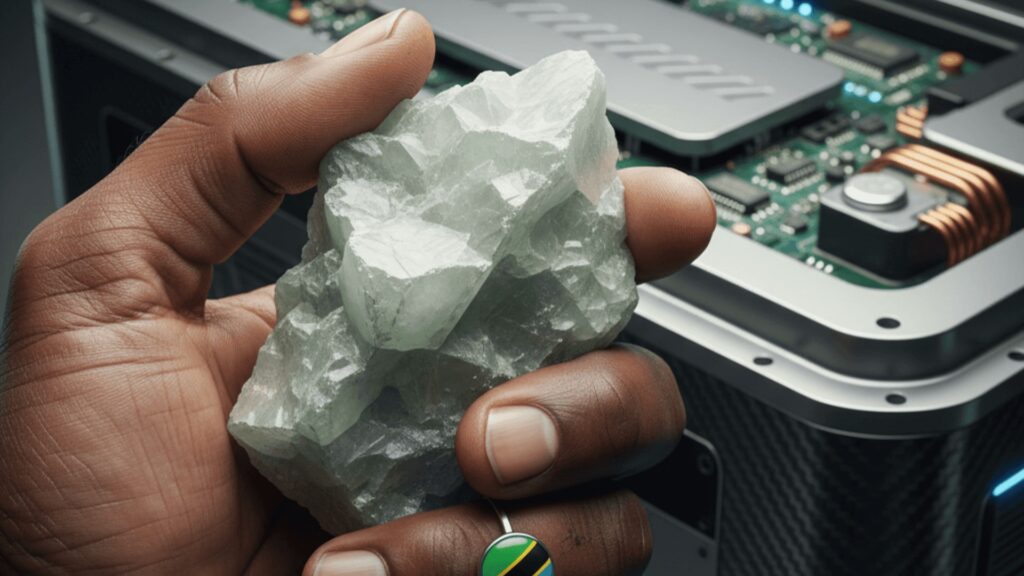
Electric vehicles, renewable energy systems and digital infrastructure depend on a narrow group of minerals, including graphite, nickel, lithium and rare earth elements, now classified as critical. Without secure access to them, Europe’s ambitions for decarbonisation and technological sovereignty face growing constraints.
Tanzania holds significant deposits of these materials. In an era marked by supply-chain disruptions, geopolitical competition and the European Union’s push for strategic autonomy, that reality is gaining attention.
Graphite and nickel mined in Tanzania already feed into global supply chains that ultimately power European smartphones, wind turbines and electric vehicles. Yet most of the value is realised outside the country, a pattern increasingly questioned by policymakers in both Africa and Europe.
Recent discussions in Dar es Salaam among mining executives, policymakers and diplomats highlighted Tanzania’s ambition to move up the value chain. Industry experts argue that exporting raw minerals alone will not deliver sustainable development or resilient partnerships.
A focal point is the Ngualla rare earth deposit in southern Tanzania, regarded as globally significant and ready for development. Rare earth elements are indispensable for clean energy technologies, defence systems and advanced electronics, all pillars of Europe’s industrial strategy.
There is also early evidence of lithium deposits in central and northern Tanzania, potentially strengthening the country’s strategic relevance as lithium demand accelerates across the European Union.
For Tanzania, the challenge lies in attracting investment into processing and manufacturing while addressing infrastructure gaps, skills shortages and regulatory complexity. For Europe, the challenge is both strategic and ethical: securing essential minerals without replicating extractive models that deliver limited benefits to producing countries.
Mining executives argue that partnerships centred on local processing, including battery components rather than raw ore, could align Tanzanian development priorities with European climate and industrial policy.
Former Tanzanian diplomats have framed minerals as tools of economic diplomacy, noting that countries possessing them inevitably become strategic partners.
The terms of those partnerships, they argue, will determine whether the green transition becomes a shared endeavour or a new form of dependency.
As Europe looks outward to secure the building blocks of its low-carbon future, Tanzania’s minerals offer both opportunity and responsibility, a reminder that the green transition is as much about politics and equity as it is about technology.
Notes to Editors
- Europe’s green transition depends heavily on secure access to critical minerals.
- Tanzania holds deposits relevant to electric vehicles, renewable energy and advanced technologies.
- Policymakers and industry leaders stress the need for value-added, equitable partnerships.
Media Contact:
Information Services Department and Office of The Chief Government Spokesman
E-mail: maelezotv@gmail.com
Phone: +255 754 750 765
Availability: EAT, UTC +3
ENDS