
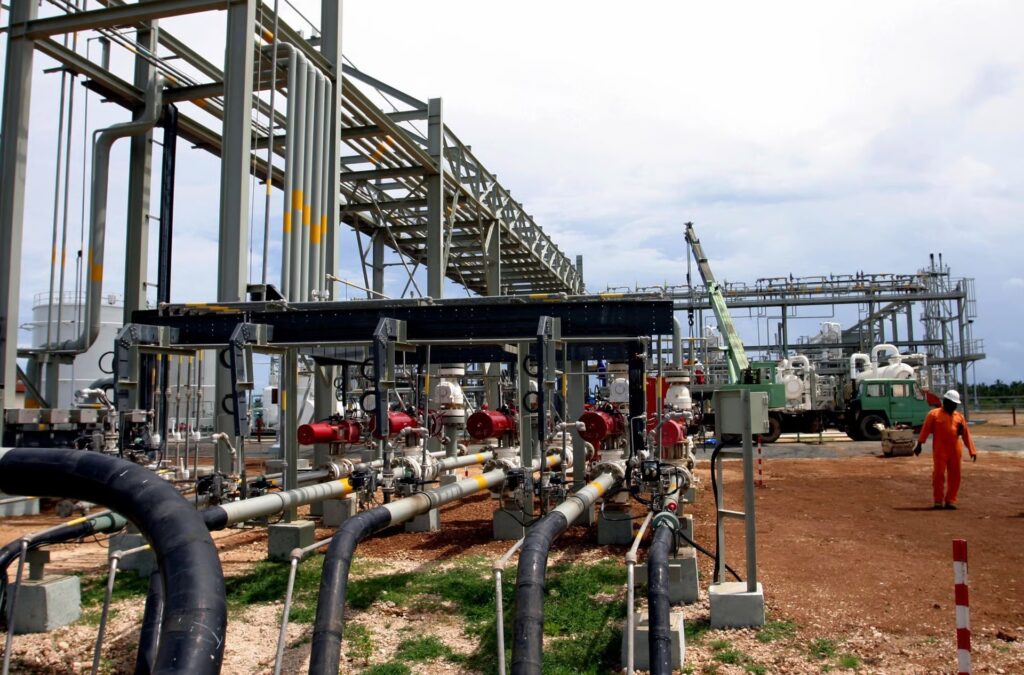
As Europe seeks to diversify its energy sources and reduce reliance on traditional suppliers, Tanzania offers significant opportunities in the oil and gas sector, particularly in liquefied natural gas (LNG). Through regulatory reforms, enhanced transparency, and strategic partnerships, the country is creating a dynamic environment for EU-based companies to tap into its growing energy potential.
Tanzania boasts proven natural gas reserves estimated at 57.5 trillion cubic feet (TCF), positioning it among Africa’s largest gas holders. For the EU—facing rising energy demand while accelerating its transition toward cleaner sources—Tanzania’s gas reserves present a credible alternative to traditional energy imports.
Europe’s drive to diversify energy supplies, especially following recent geopolitical shifts, has made LNG a central pillar of its energy strategy. As European countries move toward greener energy systems, natural gas is increasingly viewed as a vital “bridge fuel,” ensuring energy security while reducing emissions. Tanzania’s substantial reserves and expanding LNG export capacity offer European investors an opportunity to secure long-term, stable energy supplies.
The rise of Tanzania’s LNG sector and opportunities for EU firms
One of the most significant developments in Tanzania’s energy landscape is the rapid advancement of its LNG export sector. The country’s ambition to become a major LNG exporter aligns closely with the EU’s diversification and energy security objectives.
The USD 42 billion LNG export project in the Lindi and Mtwara regions—led by ExxonMobil in partnership with the Tanzania Petroleum Development Corporation (TPDC)—is set to unlock Tanzania’s offshore natural gas reserves and position the country as a key LNG supplier to global markets, including Europe.
This project holds strategic importance for the EU, where LNG demand has increased sharply amid efforts to reduce dependence on Russian natural gas. European energy majors such as TotalEnergies, Eni, and Shell are already active in the region, and Tanzania’s expanding LNG infrastructure offers a timely opportunity for deeper EU participation. The project’s long-term structure provides stability and the promise of a reliable LNG supply for European markets.
Beyond LNG, Tanzania’s broader energy potential is being reinforced by regulatory reforms designed to attract international investment. The government has moved to establish a clearer and more transparent framework for exploration, production, and export, creating a more predictable environment for private-sector participation.
Regulatory reforms supporting investment
Tanzania’s regulatory overhaul has been central to improving investor confidence. The Petroleum Act of 2015 established a robust institutional framework by clearly separating policy oversight, regulation, and commercial participation. These reforms have contributed to a more transparent and predictable investment climate—an essential condition for EU companies seeking long-term engagement in the oil and gas sector.
The Petroleum Upstream Regulatory Authority (PURA) has streamlined licensing procedures and enhanced transparency in block allocation, offering clearer and fairer terms for international investors. Tanzania’s fifth oil and gas licensing round, announced in 2025, offers 26 exploration blocks, representing a significant opportunity for EU firms to access largely untapped gas resources.
In addition, the National Petroleum Data Repository, launched in 2024, provides access to critical geological, seismic, and exploration data. This initiative significantly reduces exploration risk and improves decision-making, aligning well with the operational requirements of EU companies known for their technical expertise in energy exploration.
Key reforms in the oil and gas sector
To further enhance the investment climate, Tanzania has implemented a series of targeted reforms. The Petroleum Act of 2015 created a transparent regulatory structure, clearly separating policy oversight, regulation, and commercial operations.
PURA has modernized Production Sharing Agreements (PSAs), streamlined licensing processes, and aligned fiscal terms more closely with regional standards. These measures strengthen investor confidence while safeguarding national interests.
The fifth licensing round, offering 26 exploration blocks, represents one of Tanzania’s most significant upstream openings in over a decade. Combined with improved data access and regulatory clarity, these reforms offer EU investors a secure and transparent pathway into Tanzania’s energy market.
EU–Tanzania energy relations
According to the Tanzania Petroleum Development Corporation (TPDC), the country’s natural gas sector is poised for substantial growth in the coming years. As European energy firms seek diversified and secure energy supplies, Tanzania’s gas resources present a compelling opportunity amid rising global LNG demand.
Cooperation between Tanzania and the European Union has deepened in recent years, particularly in the energy sector. Tanzania has emerged as an important partner within Africa–EU energy cooperation frameworks, with the EU recognizing its role in advancing energy security and sustainability objectives. This partnership aligns with the EU’s broader strategy to secure stable energy supplies, support the energy transition, and promote sustainable development across Africa.
Tanzania also participates in Power Africa—an initiative supported by both the United States and the EU—aimed at expanding electricity access across Sub-Saharan Africa. Tanzania’s involvement underscores its commitment to energy access and complements EU goals for sustainable energy development.
According to the European External Action Service (EEAS), more than 400 European companies currently operate in Tanzania across sectors including energy, infrastructure, and manufacturing. These firms view Tanzania as a stable, open market with strong growth potential, particularly in the energy sector.
Major European energy companies such as Shell, TotalEnergies, and Equinor are actively exploring opportunities in LNG development and offshore gas exploration, recognizing the scale and strategic value of Tanzania’s natural gas reserves.
Notably, only around 30% of Tanzania’s sedimentary basins have been explored, highlighting significant untapped potential for future discoveries. This underexplored landscape presents a substantial growth opportunity for European investors seeking long-term exploration and development prospects.
Tanzania’s continued commitment to energy sector reform and pro-investment policies further enhances its attractiveness as a long-term partner for European energy companies. By leveraging its gas resources, Tanzania aims to meet rising energy demand in Europe and Asia while aligning with EU priorities for energy security and transition.
For European companies, Tanzania represents a gateway to Africa’s growing energy market and a means of diversifying supply sources. Alongside natural gas, Tanzania’s expanding focus on renewable energy and critical minerals essential to clean energy technologies offers long-term, stable investment opportunities aligned with EU sustainability goals.
Notes to Editors
- Story focus: Tanzania’s positioning as a strategic energy and LNG partner for the European Union, highlighting regulatory reforms, investment frameworks, and alignment with Europe’s energy security agenda.
- Angle: Forward-looking, investor-focused analysis linking EU energy diversification, geopolitical change, and Africa–Europe energy cooperation.
- Context: Relevant amid Europe’s post-Ukraine energy realignment, rising LNG demand, and the EU’s reliance on natural gas as a “bridge fuel” during the energy transition.
Media Contact:
Information Services Department and Office of the Chief Government Spokesman
Email: maelezotv@gmail.com
Phone: +255 754 750 765, +255 754 698 856, +255 759 714, +255 713 381 904
Availability: EAT (UTC +3)
ENDS