
For much of its post-independence history, Tanzania has been characterised by a steady politics of consensus. While the post-election tensions briefly tested that image, the government’s measured response has highlighted continuity rather than rupture in the country’s political tradition.
International recognition of this approach came when United Nations Secretary-General António Guterres described Tanzania as “a reference point for peace in Africa and the world” during talks in New York with a Tanzanian delegation. Delivered at a moment of heightened scrutiny, the remarks reflected confidence in the country’s commitment to transparency and restraint under pressure.
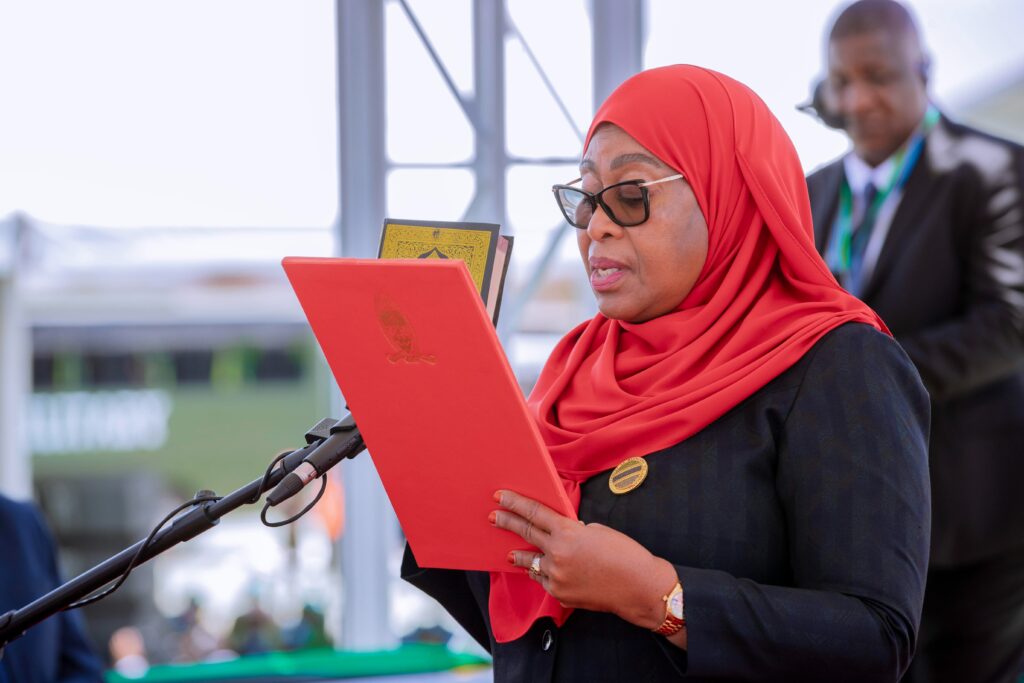
President Samia Suluhu Hassan’s decision to establish an independent commission of inquiry marked an early and deliberate effort to channel tensions into formal, lawful processes. The move signalled a clear preference for accountability over suppression and helped stabilise public confidence at a critical moment.
The subsequent decision to hold public hearings further strengthened that signal. By enabling citizens and affected communities to testify openly, the process placed participation and visibility at the centre of the national response. For many Tanzanians, this openness has been essential to restoring trust and promoting long-term stability.
Such measures are consistent with Tanzania’s political history. Since independence, successive governments have prioritised unity within a diverse society, often relying on negotiation and compromise to manage political change. The peaceful transition to multiparty democracy in the 1990s remains a reference point for balancing competition with cohesion.
Institutions have once again played a stabilising role. Beyond fact-finding, the commission of inquiry represents a reaffirmation of the rule of law and presents an opportunity to strengthen electoral governance, refine public security practices and deepen civic trust ahead of future elections.
Pragmatism has also underpinned the government’s approach. Stability in Tanzania is closely linked to daily life, from markets and schools to community security. By prioritising calm and continuity, authorities have sought to safeguard livelihoods while addressing legitimate public concerns.
The response has carried economic implications as well. Tanzania’s development agenda depends on predictability, investor confidence and social harmony. The post-election measures have reassured international partners that the country remains committed to orderly governance and reform grounded in law.
Looking ahead, public expectations remain high. If fully implemented, the commission’s recommendations could enhance civic education, improve electoral processes and further professionalise the management of public demonstrations, incremental but meaningful steps in consolidating democratic practice.
Rather than signalling a departure from Tanzania’s political identity, the post-election period has underscored its capacity for adaptation. By choosing inquiry over force and inclusion over silence, the government has reinforced a familiar message: peace in Tanzania is sustained through deliberate choices, steady leadership and a shared belief in unity as a public good.
Notes to Editors
Tanzania has maintained a reputation for political stability since independence, prioritising national unity and institutional solutions to political challenges.
The independent commission of inquiry was established following unrest after the October 2025 general election and includes public hearings to promote transparency and accountability.
Media Contact:
Information Services Department and Office of The Chief Government Spokesman
E-mail: maelezotv@gmail.com
Phone: +255 754 750 765
Availability: EAT, UTC +3
ENDS